★ Wonders
Tortuguero, Costa Rica
Worth making time for
Baby sea turtles hatch after dark with no schedule and no second take. Watching them the right way takes strict rules, and two places do it best.
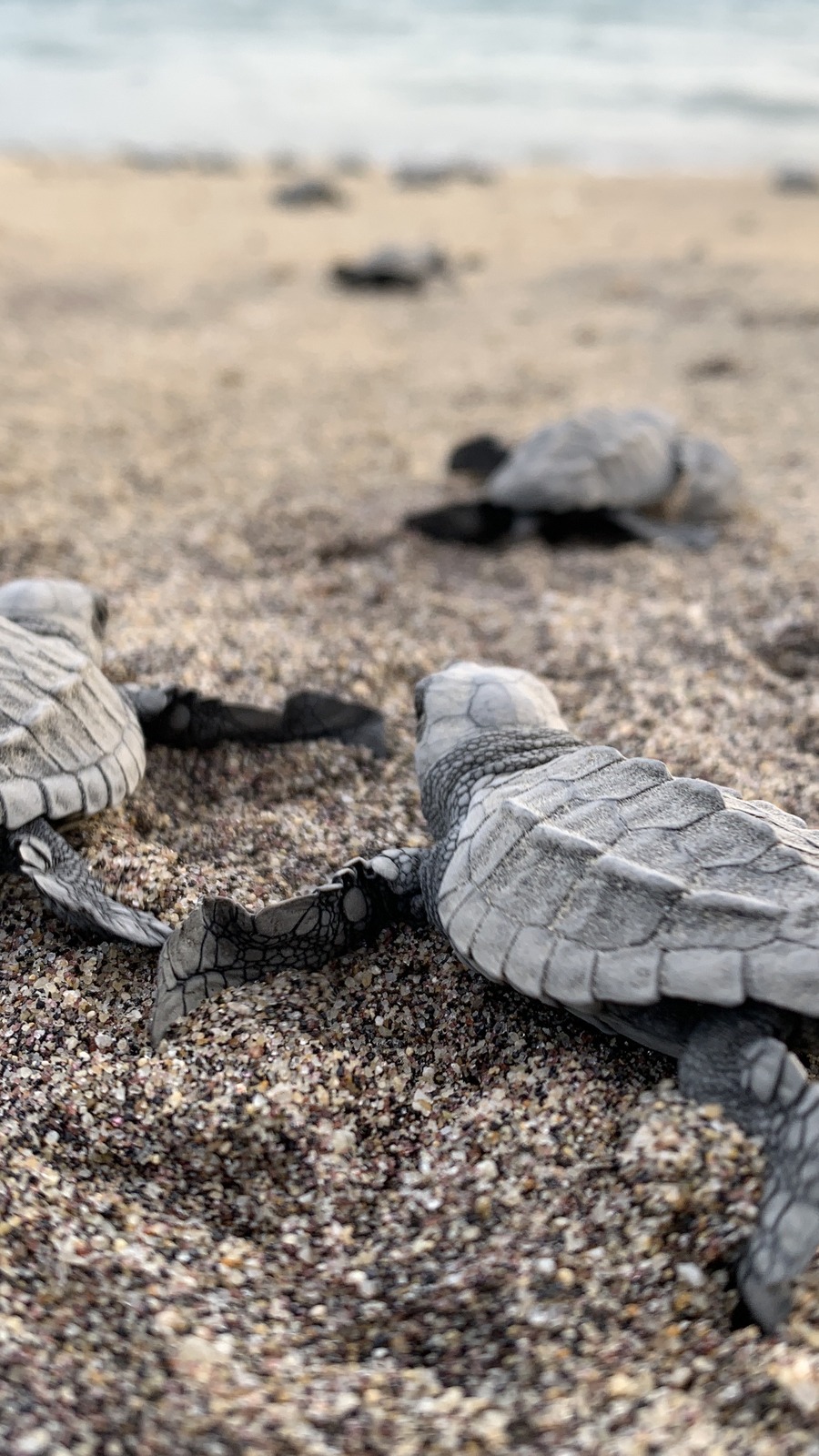
Every year, on a few dozen beaches around the world, one of nature's quietest spectacles plays out after dark. A patch of sand stirs, collapses inward, and dozens of palm-sized sea turtle hatchlings boil out of the nest and race for the surf. It lasts minutes. There is no schedule, no announcement, and no second take.
That unpredictability is exactly why turtle watching needs rules. Hatchlings navigate by the light on the horizon, so a phone screen or a camera flash can send them marching the wrong way, toward a road instead of the sea. Picking them up and carrying them to the water interrupts the crawl they need to orient themselves toward the sea. And some beach "hatchling releases" are staged for tourists: animals held back in tanks, then let go one by one in daylight, straight into waiting predators. The conservationists' advice is blunt. If a place lets visitors handle hatchlings for a photo, walk away.
Done properly, though, watching a hatching is one of the great wildlife moments, and your visit directly funds the protection of the beach. Two places do it right, each in a different way.
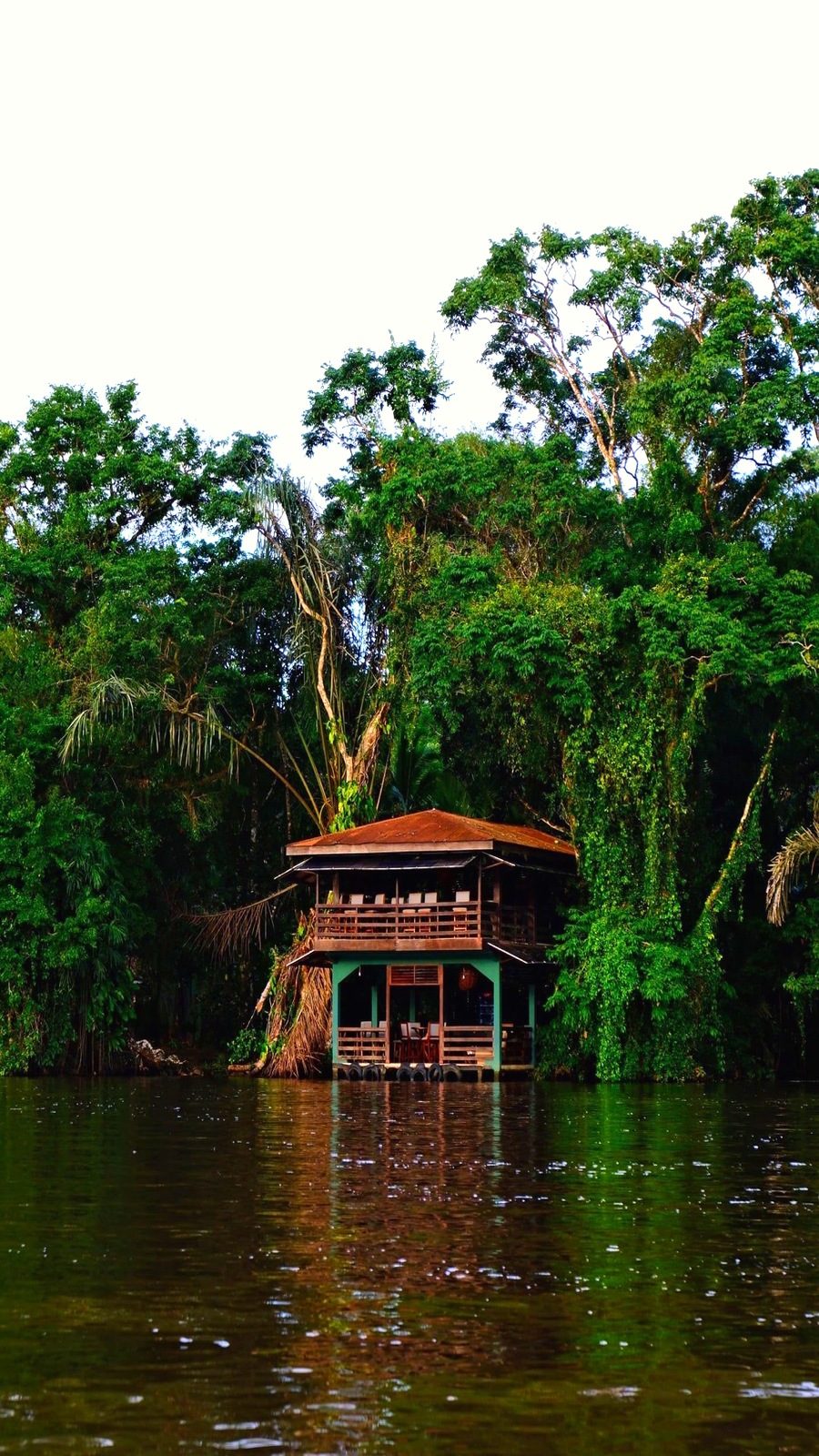
Tortuguero, Costa Rica. The beach closes to everyone at 6 pm and reopens only to small groups with licensed guides. You walk in darkness, in dark clothing, with no cameras, while the guide's red light does the illuminating. Green turtles nest here from July to October, and from September the first nests of the season start to boil. Going now catches the overlap: mothers still coming ashore while hatchlings begin their run.
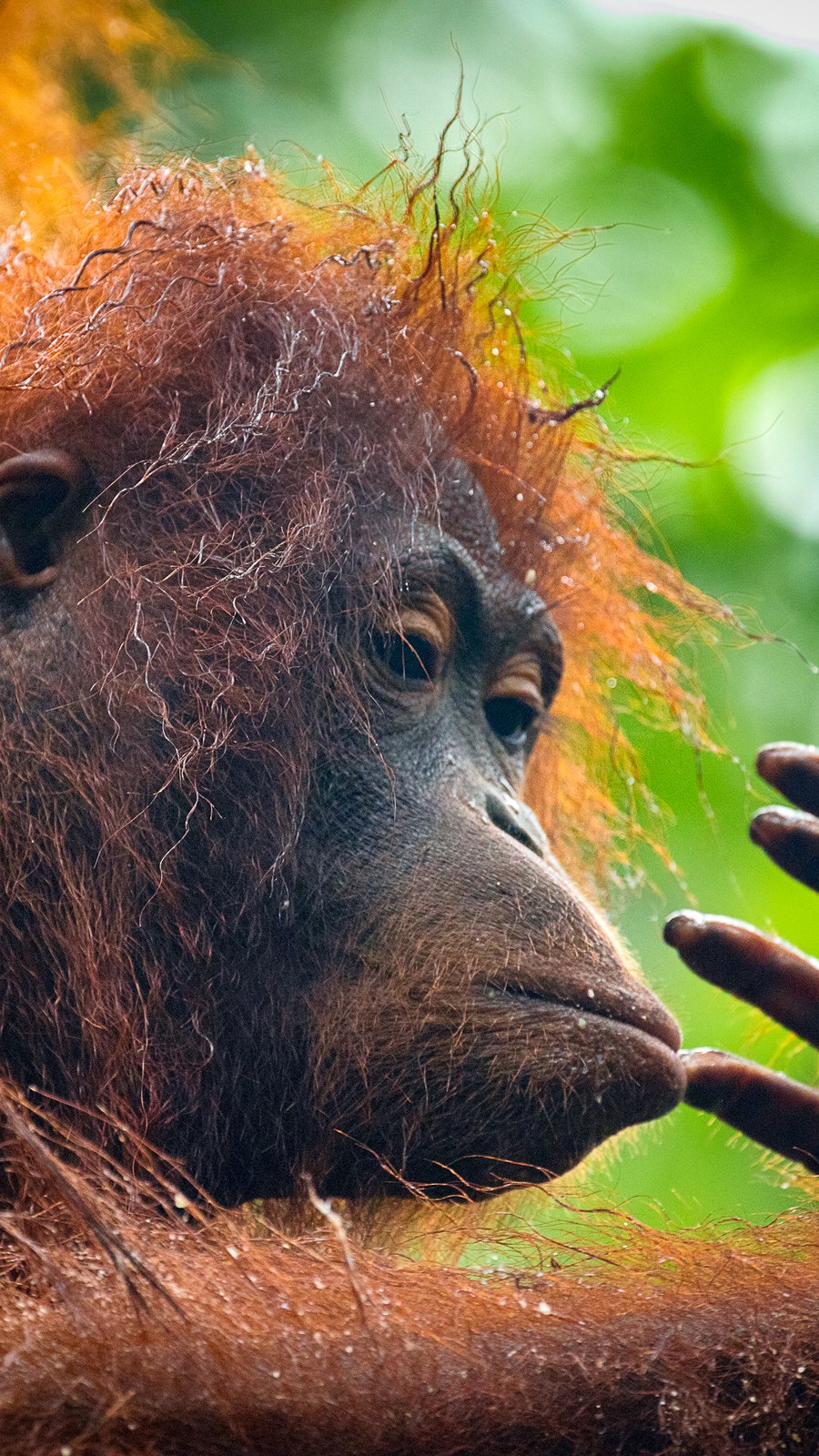
Selingan Island, Sabah, Malaysia. This is folded into Borneo's classic wildlife circuit. Most visitors come for Sepilok's orangutans and a Kinabatangan river safari, then take the boat to Selingan Island for the night. Rangers patrol every night of the year, move freshly laid eggs into a guarded hatchery safe from predators and poachers, and visitors watch the supervised release after dark. Overnight guest numbers are capped, and the beach is off limits without a ranger from dusk to dawn. Basic lodging, an early boat back, and conservation you can stand inside.
Three rules travel with you everywhere: book the guided option, never the freelance one; keep every light off except the guide's; and let the hatchlings walk. The walk is the point.