★ Seasonal
Hike Among Golden Larches
Worth making time for
Catch them now, or wait another year.
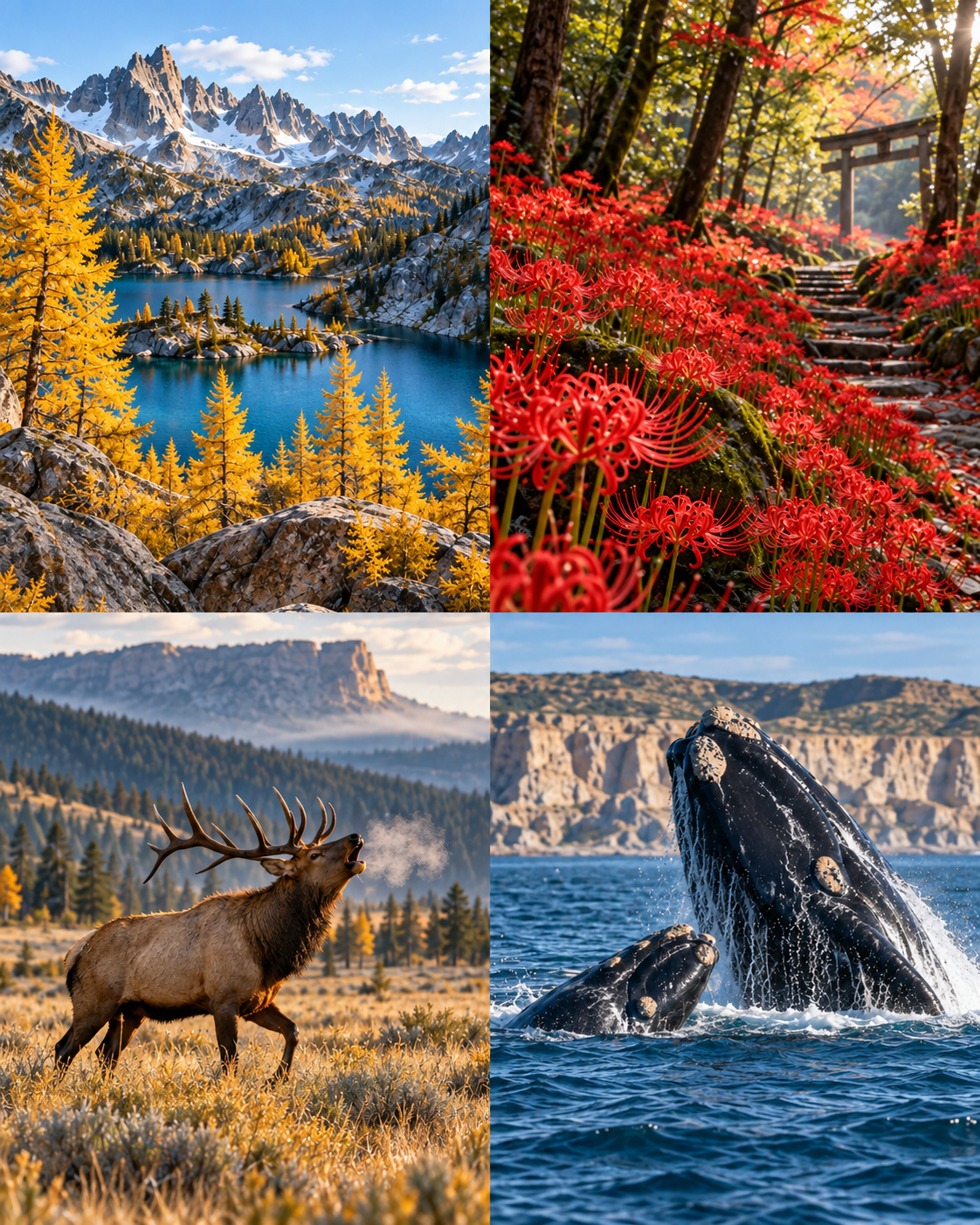
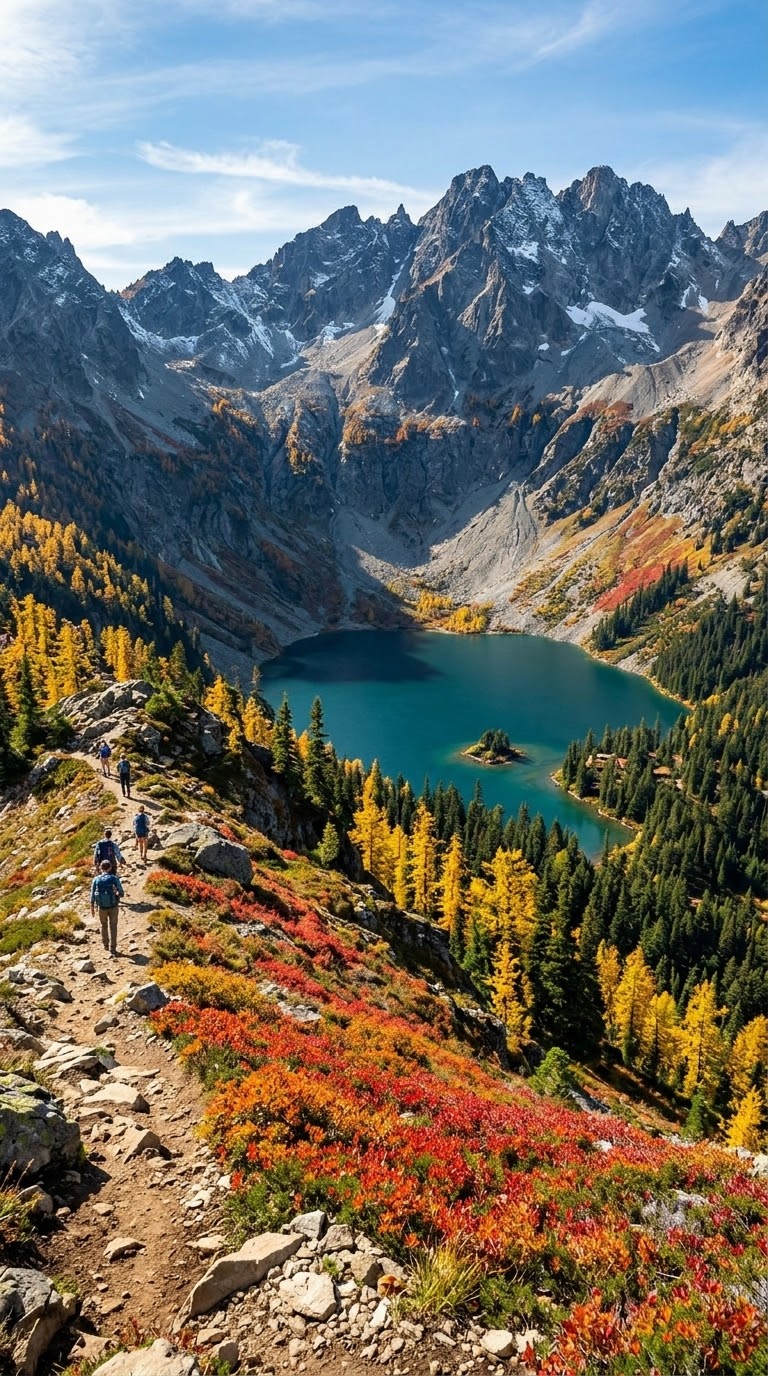
1. Golden Larches in Washington’s North Cascades
Where: North Cascades & the Enchantments, Washington, USA When: Late September to early October
High in Washington’s mountains, something unusual happens just as autumn arrives: entire slopes of conifers turn brilliant gold. Alpine larches look like evergreens for most of the year, but they are actually deciduous, dropping their needles each winter. For only a few weeks, typically beginning in late September, their needles glow yellow and gold against granite peaks, blue alpine lakes and darker evergreen forest. Some of the best known areas are along the eastern side of the North Cascades and in the Enchantments, where hikers even have a name for the annual pilgrimage: “Larch Madness.” Peak color shifts with weather and elevation, which makes catching it at exactly the right moment part of the experience.
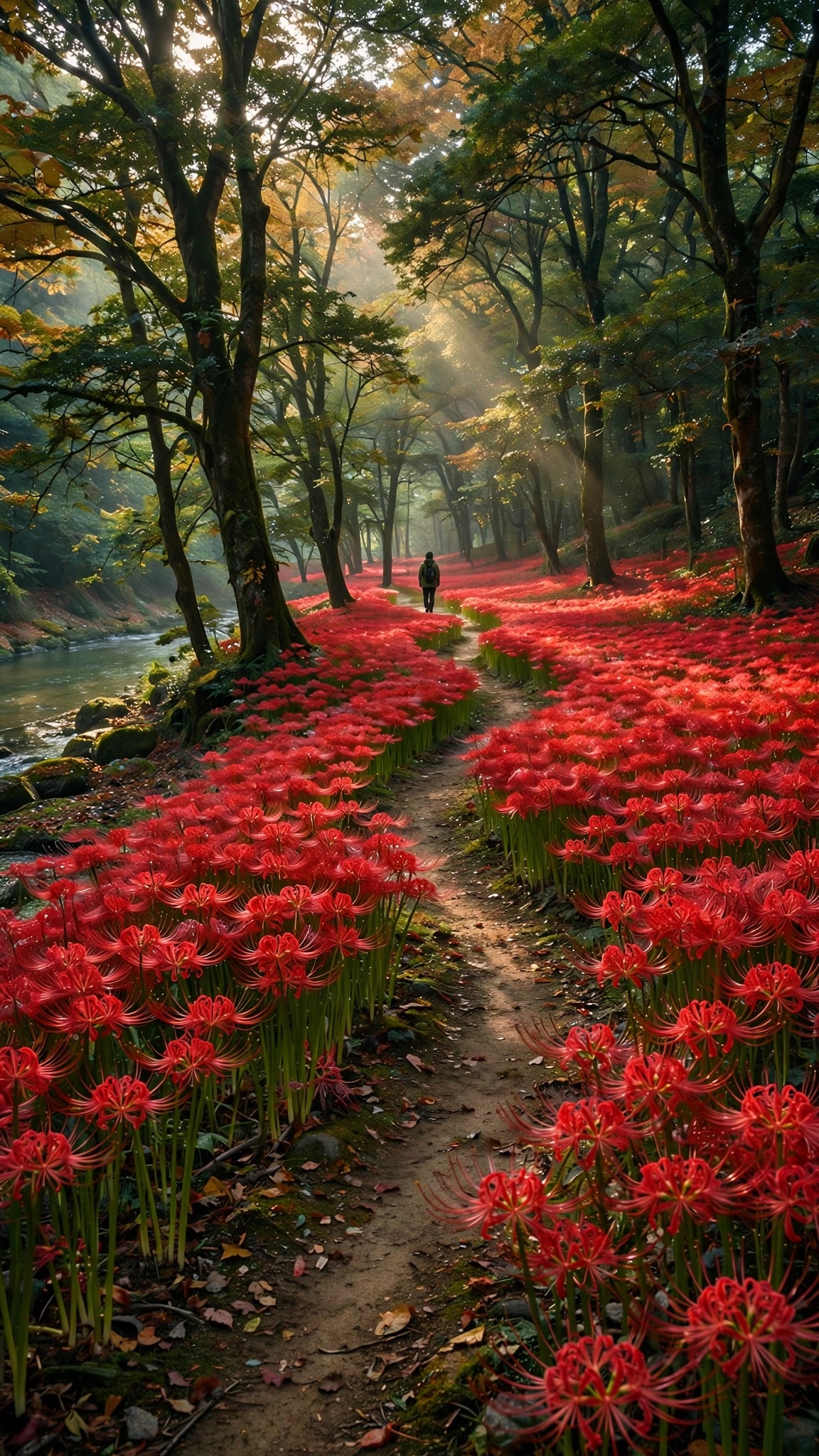
2. Japan’s Fields of Red Spider Lilies
Where: Kinchakuda, Saitama, Japan When: Mid September to early October
At almost the same moment, Japan’s landscape turns a completely different color. Around the autumn equinox, higanbana, or red spider lilies, seem to appear almost overnight, their intricate scarlet flowers rising from fields and forest floors before their leaves emerge. One of the most extraordinary displays is at Kinchakuda, about 90 minutes from central Tokyo, where more than five million flowers can cover the ground beneath the trees like a red carpet. Their timing around Higan, Japan’s Buddhist equinoctial period, has also given the flowers centuries of cultural associations with remembrance, transition and the boundary between worlds, a fitting flower for the changing of seasons.
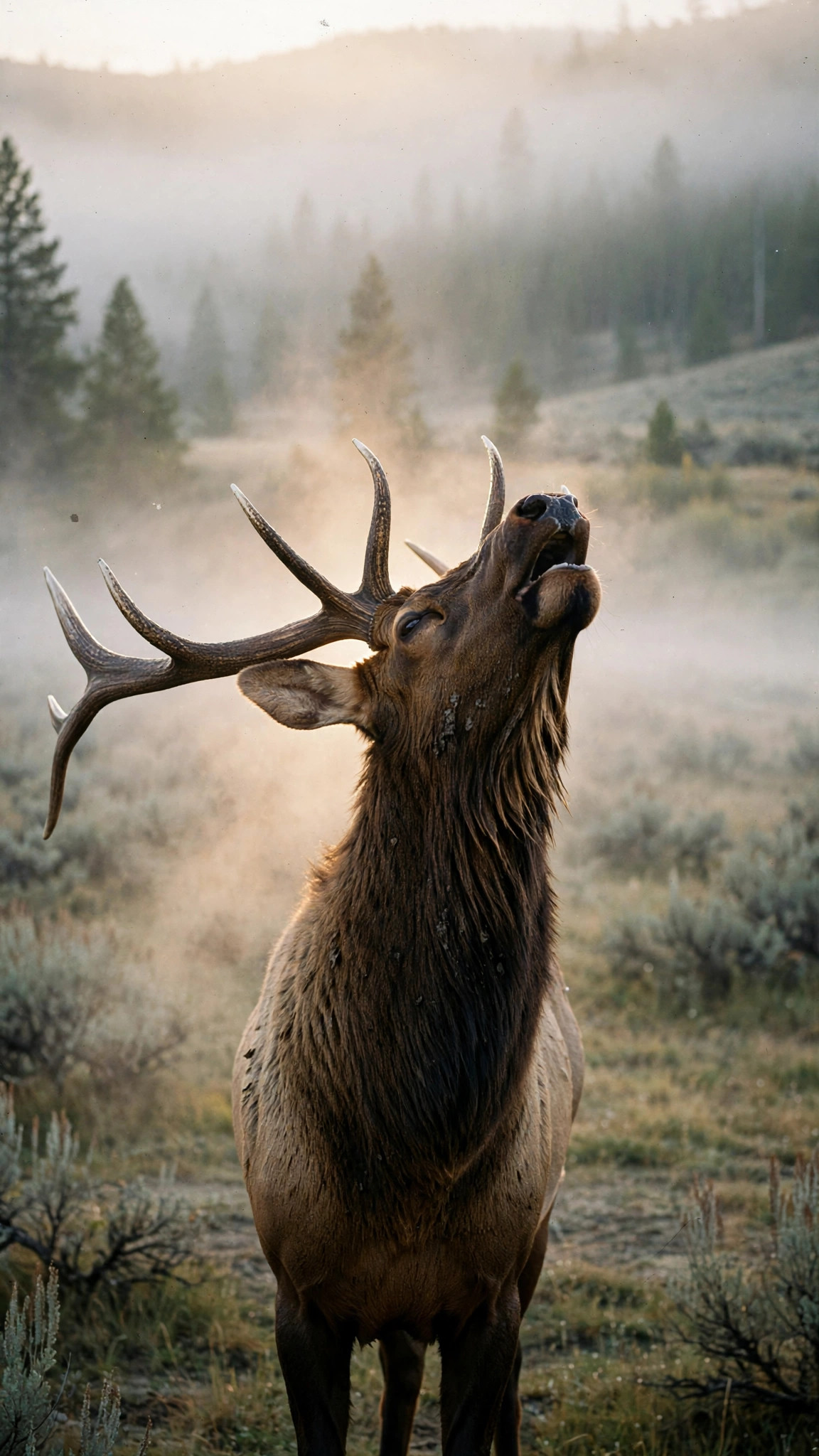
3. The Elk Rut in Yellowstone
Where: Yellowstone National Park, USA When: Early September to mid October
September in Yellowstone is something you hear before you understand what you are hearing. Across the valleys comes the high, eerie bugle of a bull elk, the signature sound of the autumn rut. Herds gather as males compete for females, calling to rivals, guarding their harems and occasionally locking enormous antlers in battle. The rut generally runs from early September into mid October, with Mammoth Hot Springs, the northern range and the Madison River area among the classic places to witness it. It transforms an animal that might seem calm for much of the year into the center of one of North America’s most dramatic wildlife spectacles, and one best watched from a very respectful distance.
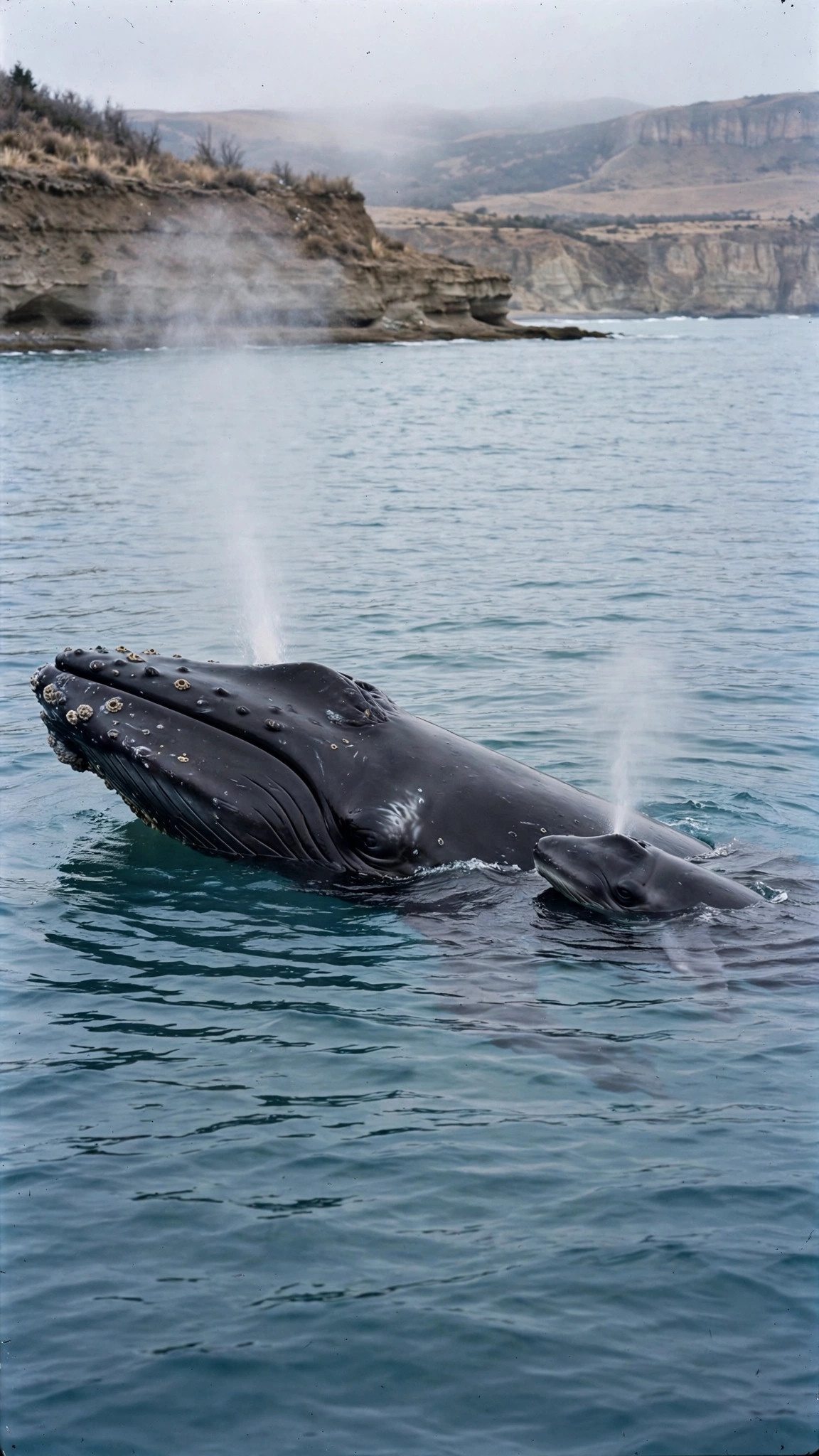
4. Southern Right Whales Gather in Patagonia
Where: Península Valdés, Chubut, Argentina When: September
Then cross the equator, where September means spring. Each year from June through early December, southern right whales return to the sheltered waters surrounding Argentina’s Península Valdés to mate, give birth and raise their calves. September is around the annual peak in whale concentration, making it an especially remarkable time to be there. Boats leave Puerto Pirámides, but one of the strangest experiences requires no boat at all: at El Doradillo, deep water runs so close to shore that mothers and calves can sometimes be watched just meters beyond the beach, breaching, spy hopping and resting together. It is less like going out to search for whales than arriving, briefly, inside their nursery.
Four places, four completely different signs of the same changing season: mountains turning gold, forests turning red, elk calling across autumn valleys, and newborn whales moving through the first days of a Patagonian spring. For most of the year, none of these places looks, or sounds, quite like this.
Would you want to experience any of these someday?