Wonders
Virgin Islands National Park
Worth making time for
Three island national parks at America's far edges, a Caribbean reef, California's Galapagos, and the real world Polynesia behind Moana.
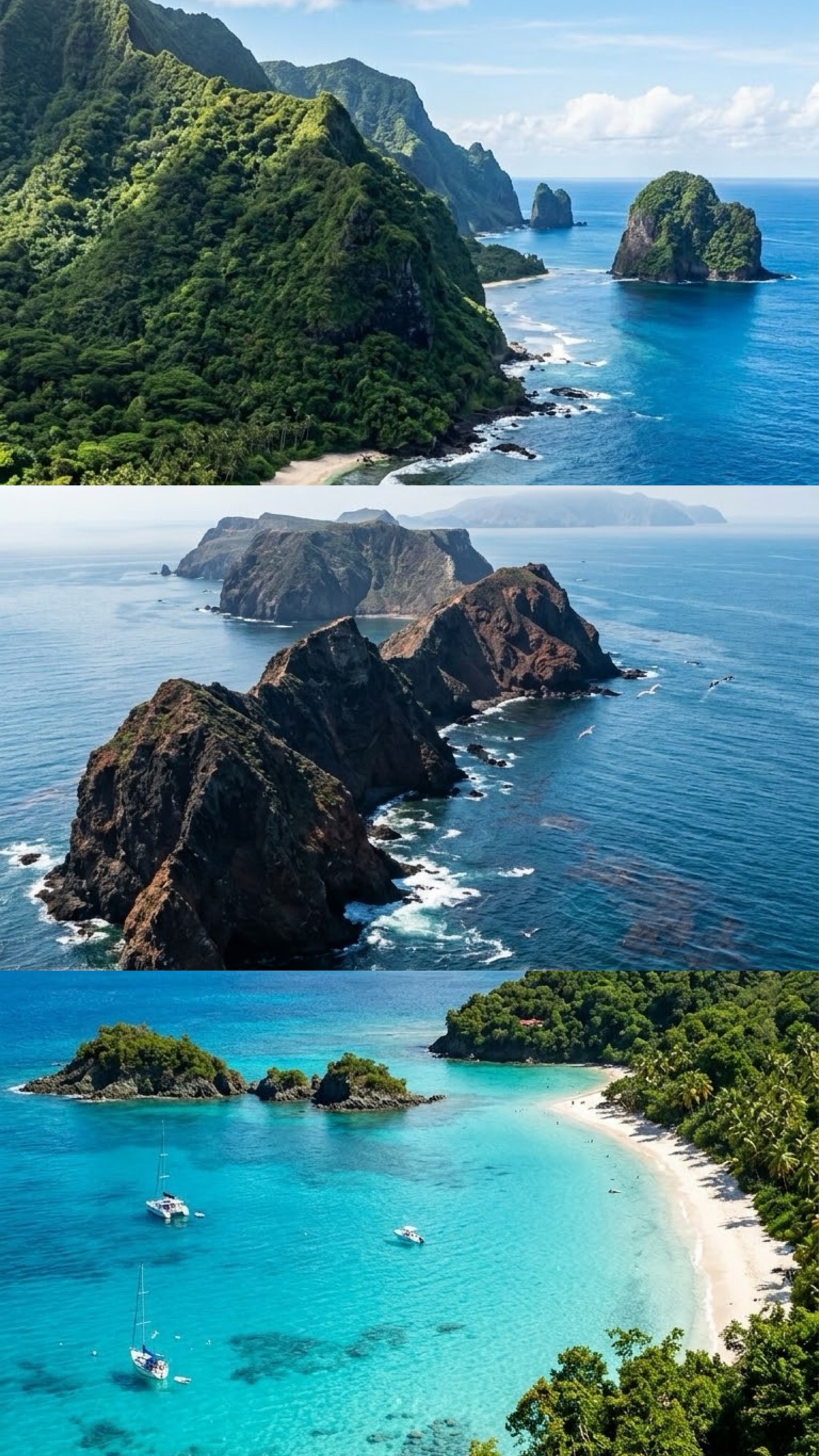
Scattered around the edges of the United States are three island parks, one in the Caribbean Sea, one off the California coast, and one south of the equator in the South Pacific. All three are remote, reached only by boat or plane, and each holds an experience or a culture unlike anything else in the system. Here they are, from the easiest to reach to the farthest flung.
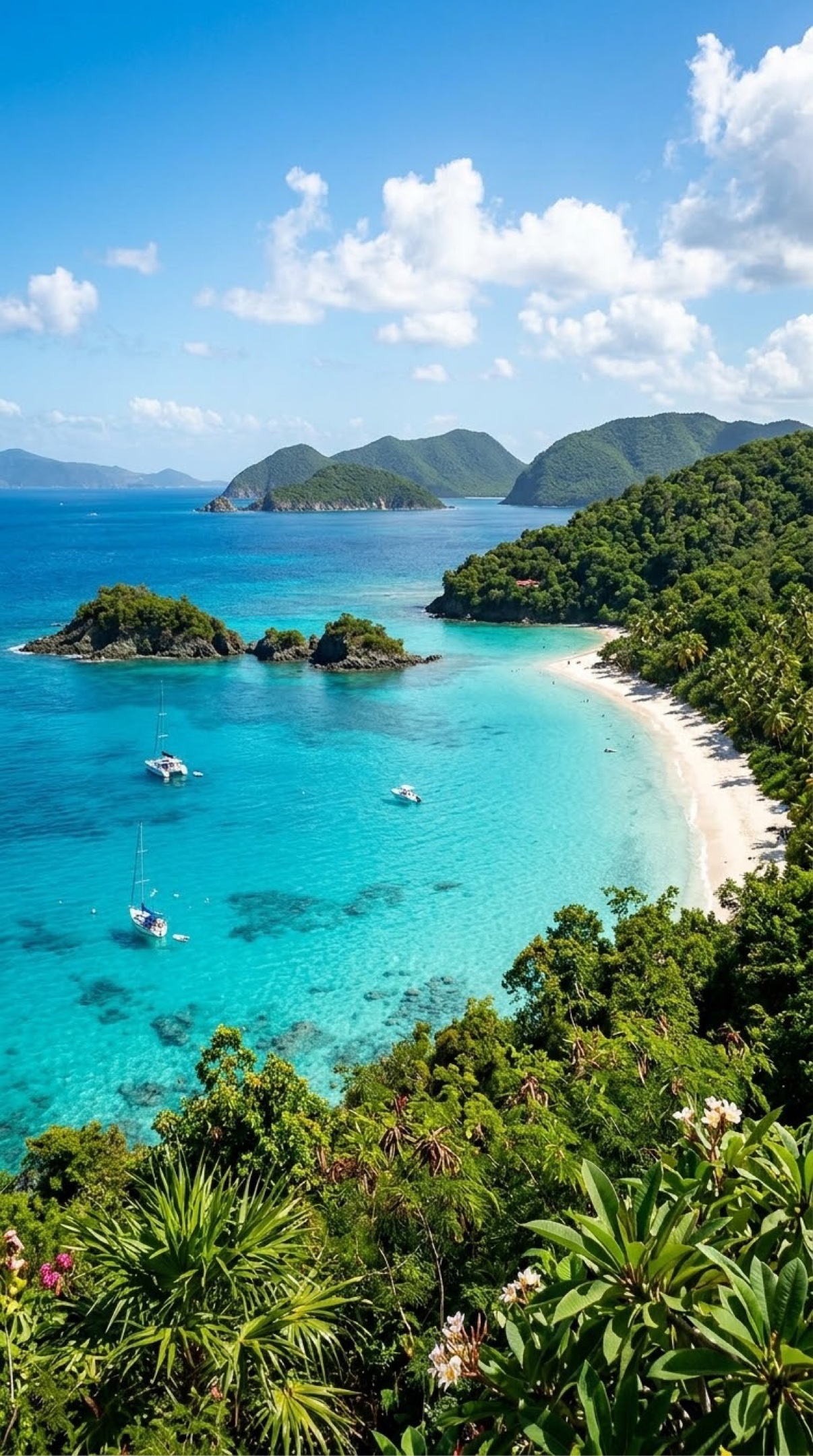
Virgin Islands National Park
Fly to St. Thomas, then take the twenty minute ferry to Cruz Bay on St. John. It looks like any other Caribbean island, white sand and turquoise water, but nearly three fifths of it is national park, with no hotel chains and beaches that stay strikingly empty. Trunk Bay's marked underwater trail leads snorkelers over coral a few yards from the sand, and you can slip into the water almost anywhere and find reef. December through April brings the driest weather and the calmest seas.
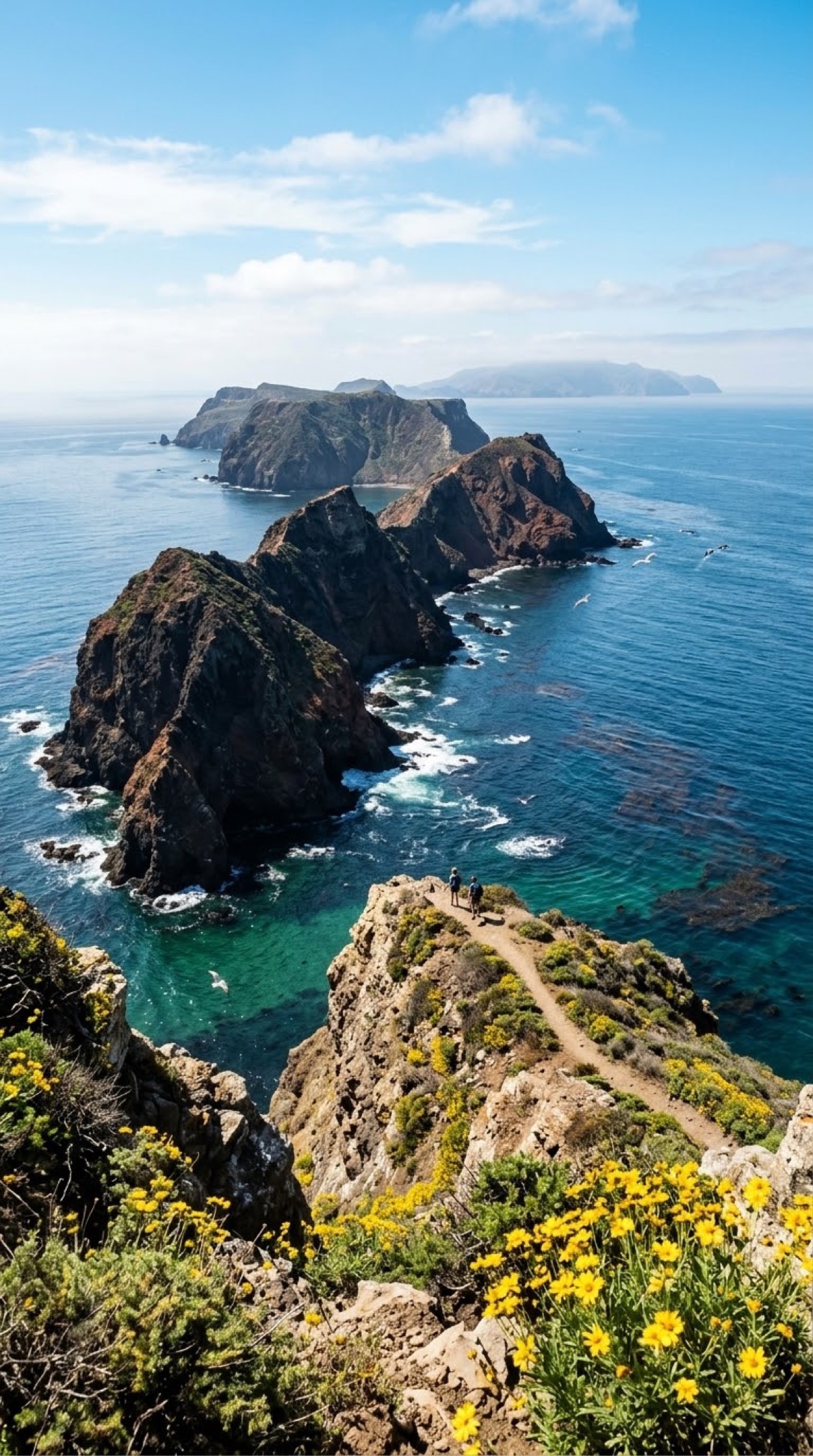
Channel Islands National Park
Drive to Ventura Harbor, about seventy miles from Los Angeles, and board the morning boat. The hour long crossing is half the experience. Dolphins ride the bow, sea lions pack the harbor buoys, and blue whales feed in the channel from July through September if you are lucky. Santa Cruz Island has no cars, no lodges, and no food for sale, just cliff trails, sea caves, kelp forests, and the island fox, found nowhere else on Earth and unafraid of people. Late winter brings wildflowers and migrating gray whales. This is the only one of the three you can do as a day trip from a major city, and the fox alone justifies the boat ride.
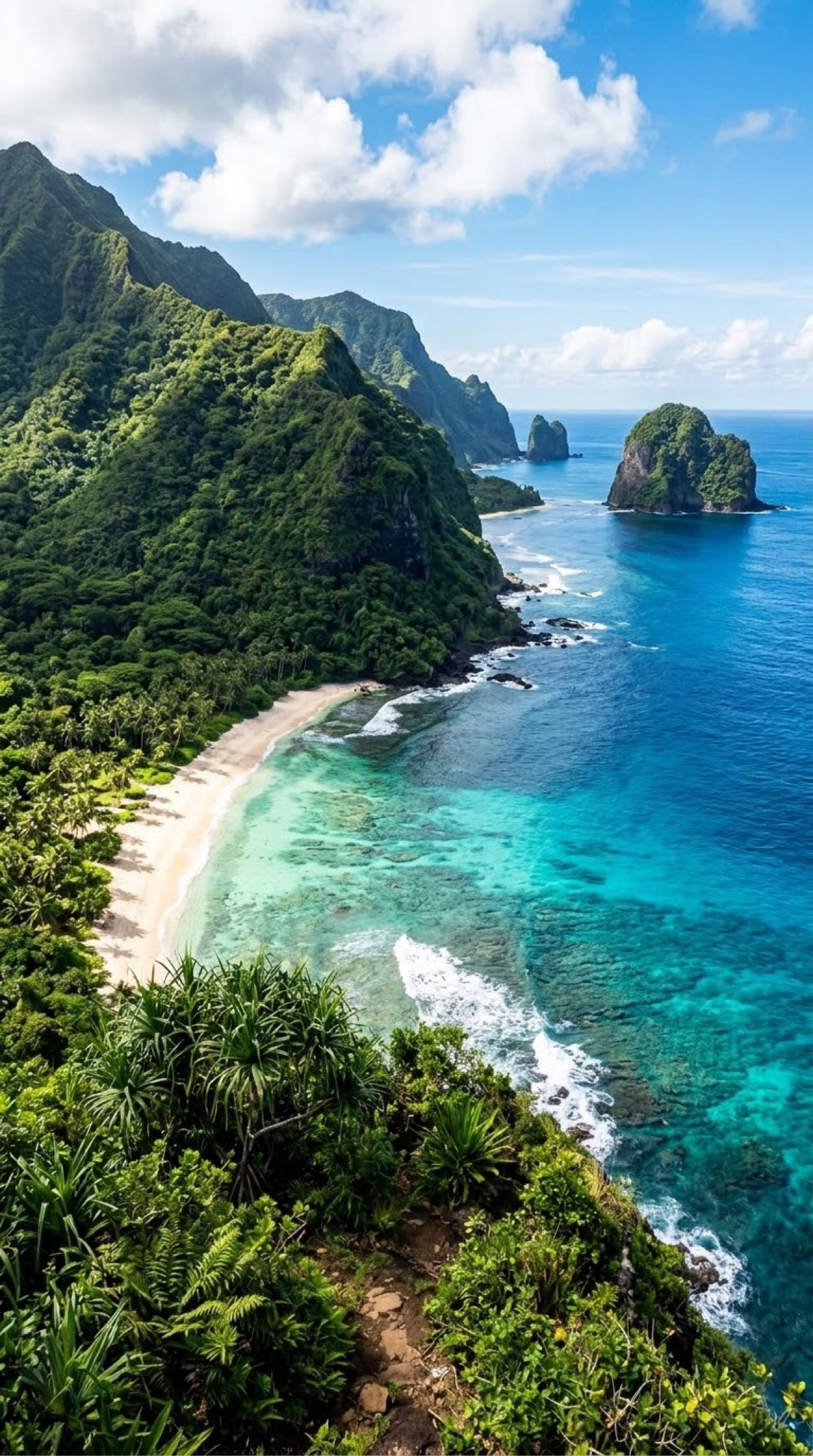
National Park of American Samoa
A five and a half hour flight from Honolulu to Pago Pago, then island hops, lands you in the only U.S. national park south of the equator. Rainforest runs down volcanic ridges to coral reefs, with fruit bats crossing at dusk and some of the world's largest coral colonies below. The park leases every acre from Samoan villages, so you visit as a guest of a living culture, not just a landscape. If it reminds you of Moana, that is no accident. This is the real Polynesia the film drew from. June through September is the dry season.
Would you want to experience any of these someday?