★ Wildlife
Watch Polar Bears from Afar in Svalbard, Norway
Worth making time for
Churchill's tundra buggies, Svalbard's ice fjords, and two more places where the world's largest land carnivore still roams free.
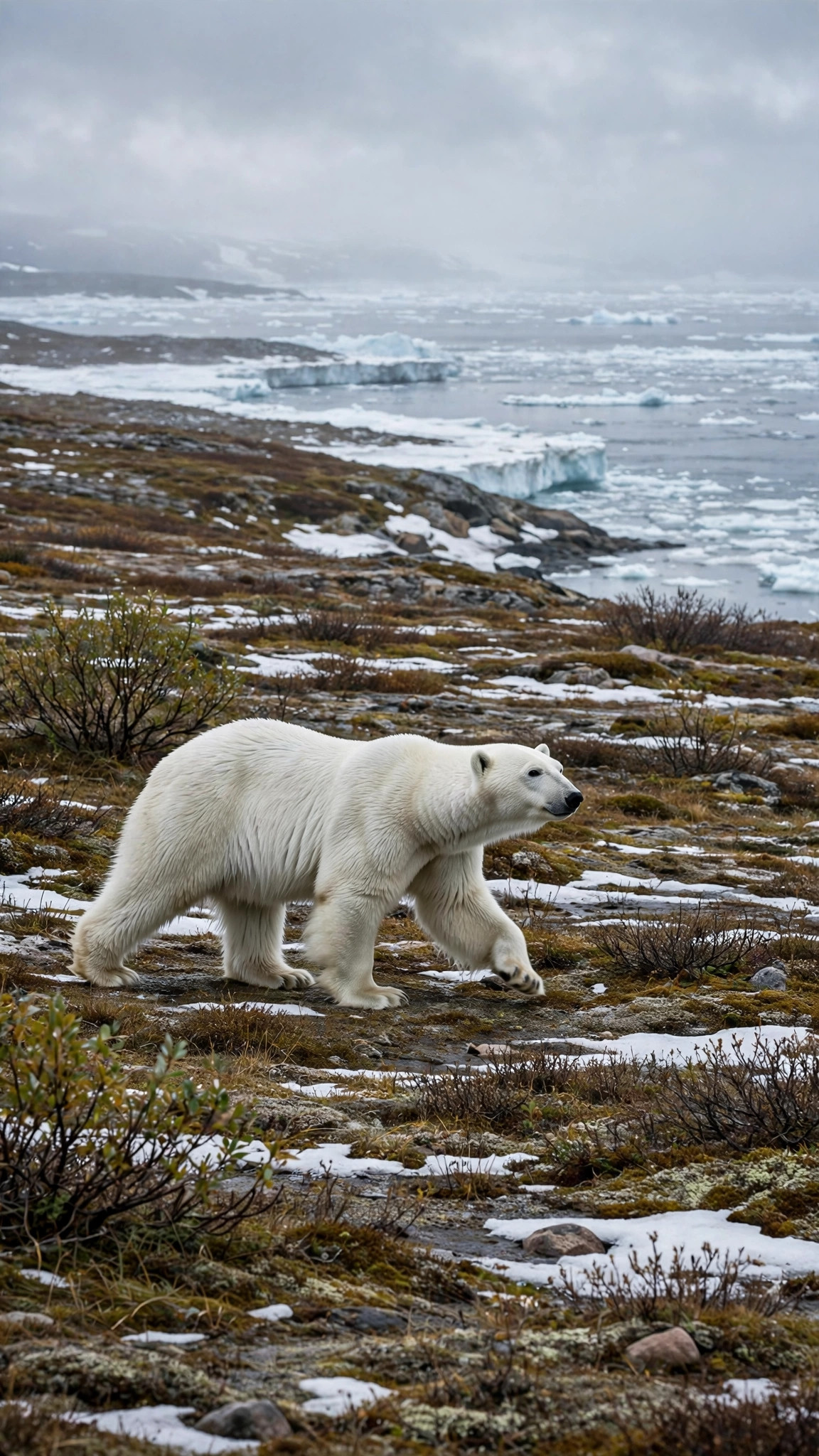
The polar bear is the largest land carnivore on the planet, and one of the hardest animals to see well in the wild. They roam the top of the world in low densities, far from roads, towns, and camera lenses. But in a handful of places, geography and timing conspire to bring them close. Here is where to go, and when.
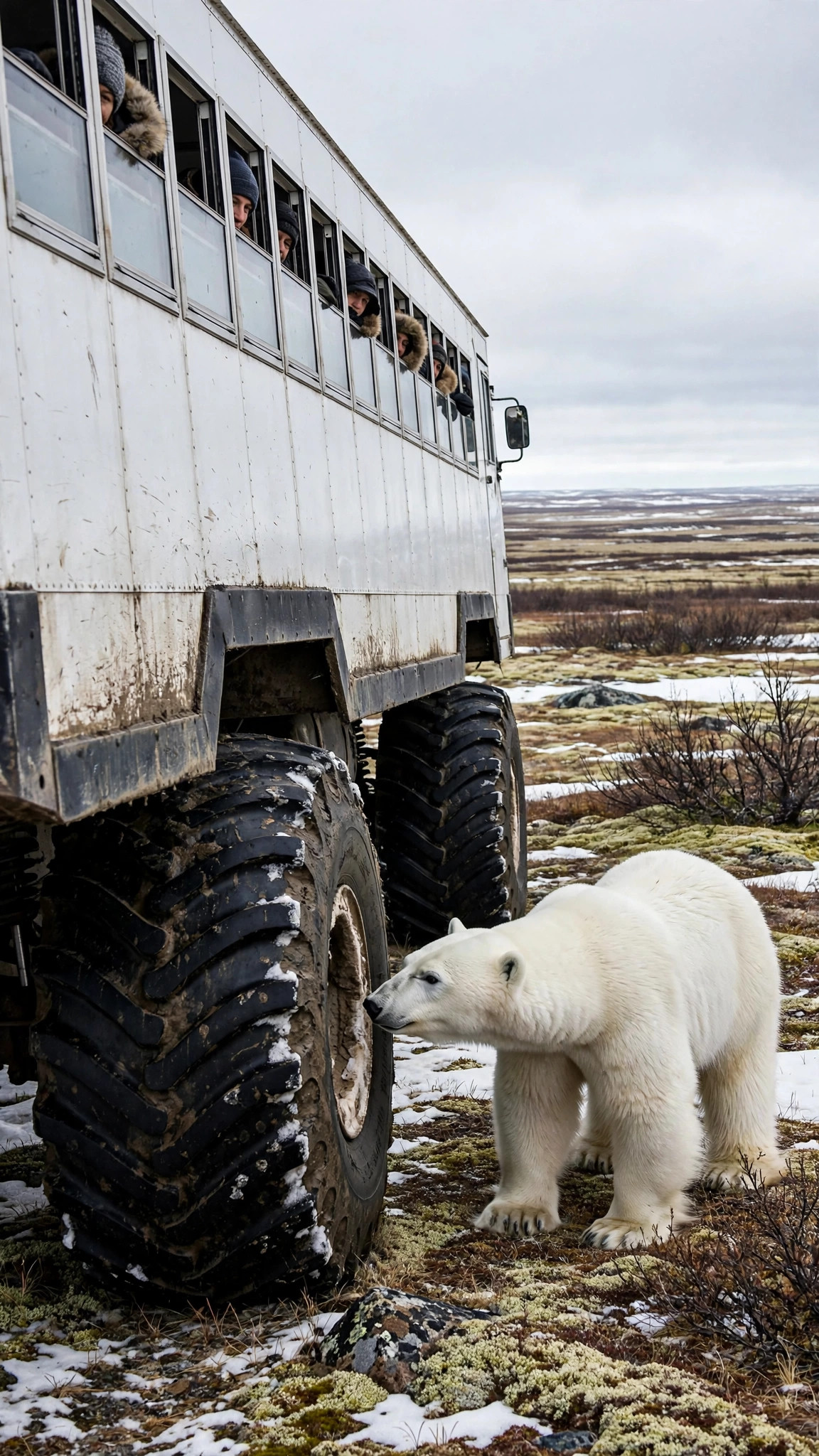
Start with the obvious: Churchill, Manitoba. The town calls itself the Polar Bear Capital of the World, and for once the slogan undersells it. Every fall, hundreds of bears gather on the tundra outside town, waiting for Hudson Bay to freeze so they can walk out onto the ice and hunt seals. From mid-October to late November, purpose-built tundra buggies roll out onto the flats, and bears walk right up to them. You will see mothers with cubs, and big males sparring to pass the time. Nowhere else on Earth offers this many bears this reliably. Book a year ahead. The buggies sell out.
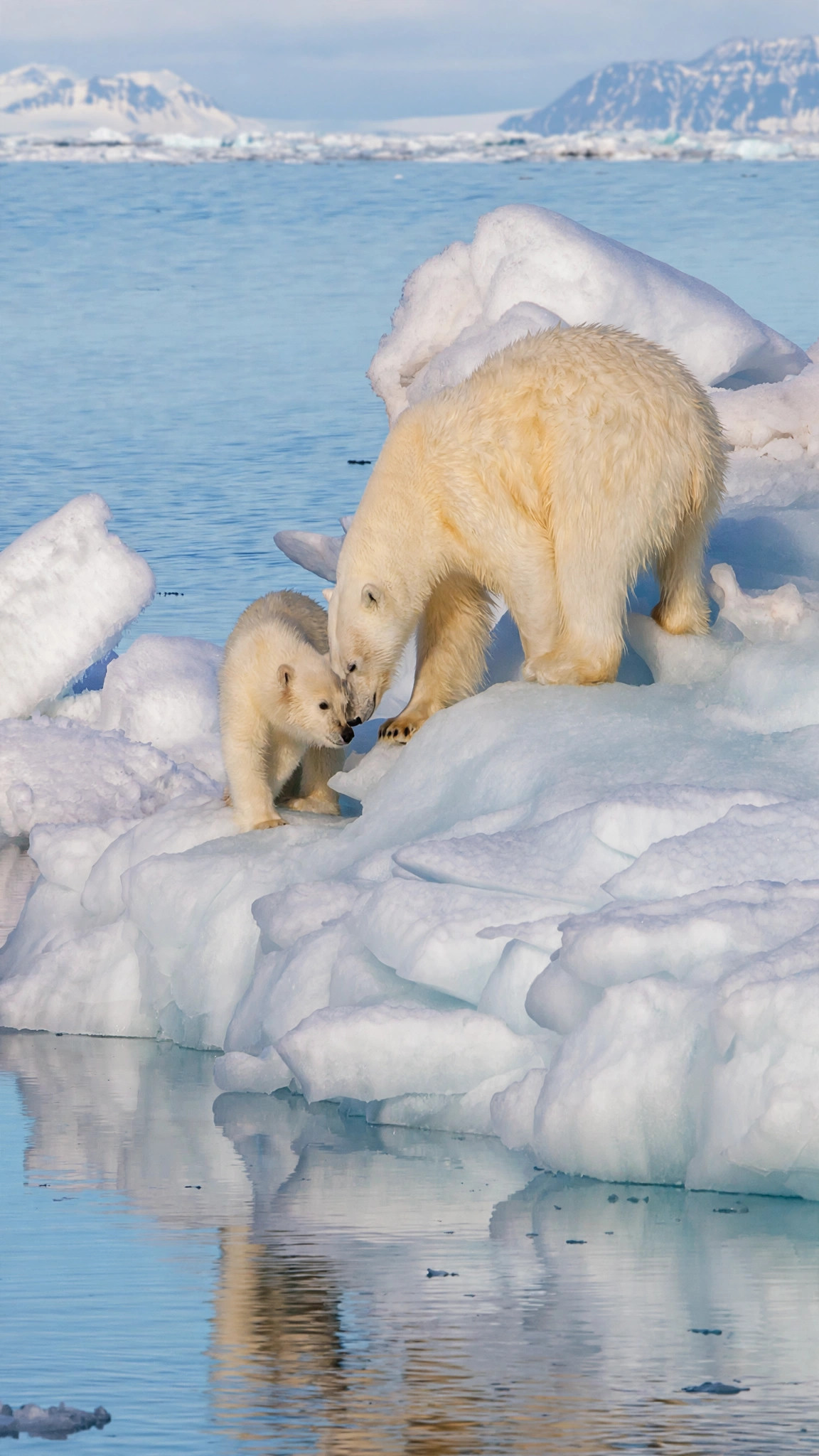
Second: Svalbard, Norway. In summer, expedition ships sail the archipelago's fjords while polar bears hunt seals along the ice edge. Sightings are less guaranteed than in Churchill, but the setting is unmatched: glaciers, walrus haul-outs, and a bear moving across blue-white ice. June through August is the window.
Third: Kaktovik, Alaska. Each fall, bears gather near this Inupiat village on Barter Island, drawn by the remains of the community's subsistence whale hunt. Viewing is small scale, a few boats, a short season in September and October, and it feels less like a tour and more like being let in on a secret.
Fourth, for the expedition minded: the floe edge off Baffin Island, May through July. Bears hunt where ice meets open water, and in the same week you may see narwhals, the unicorns of the sea. This one takes a real expedition, not a day trip.
A tip that works: pick the place by the month, not the other way around. Polar bear viewing is one of the most seasonal wildlife experiences on Earth, and a week on either side of the window changes everything. October means Churchill. August means Svalbard. September means Kaktovik.
One honest note before you go. The bears are under pressure. The Churchill area population is estimated at around 600, roughly half what it was forty years ago, as the ice season shortens. Seeing them is a privilege, and the best operators run with strict distance rules and small groups. Go with one of them, keep your distance, and let the bear decide how close the encounter gets.