★★ Wonders
Chase the Northern Lights in Fairbanks, Alaska
Worth a detour
December gets the bookings, but the science says September is the real aurora season. Here is why, and where to stand.
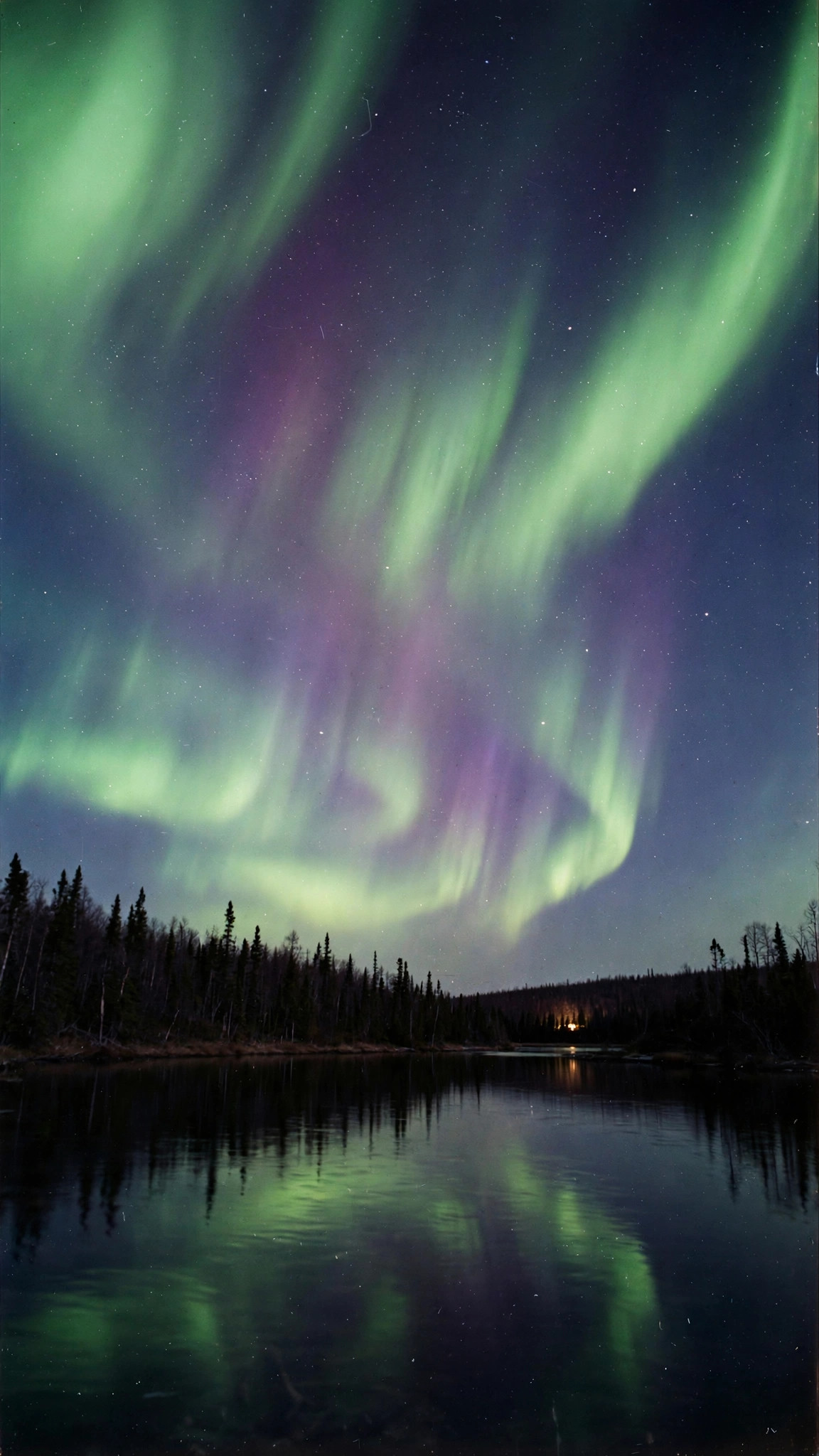
Everyone books December for the northern lights. The insiders go in September.
There is a reason, and it is written in the physics of the solar wind. Around the spring and fall equinoxes, Earth's magnetic field tilts into an alignment that lets the solar wind slip through our defenses more easily. Cracks open in the magnetosphere, charged particles pour down the field lines, and the upper atmosphere glows. Scientists call it the Russell McPherron effect, and NOAA lists the weeks around the equinoxes as the best aurora window of the year. The University of Alaska Fairbanks puts a number on it: your odds of seeing the lights in interior Alaska in March and September are roughly twice what they are near the solstices.
September has a second advantage that has nothing to do with space. All summer the Arctic basks in midnight sun, with no darkness for auroras to dance in. By the equinox, night returns in full. Twelve hours of dark, right when the sky is at its most electric.
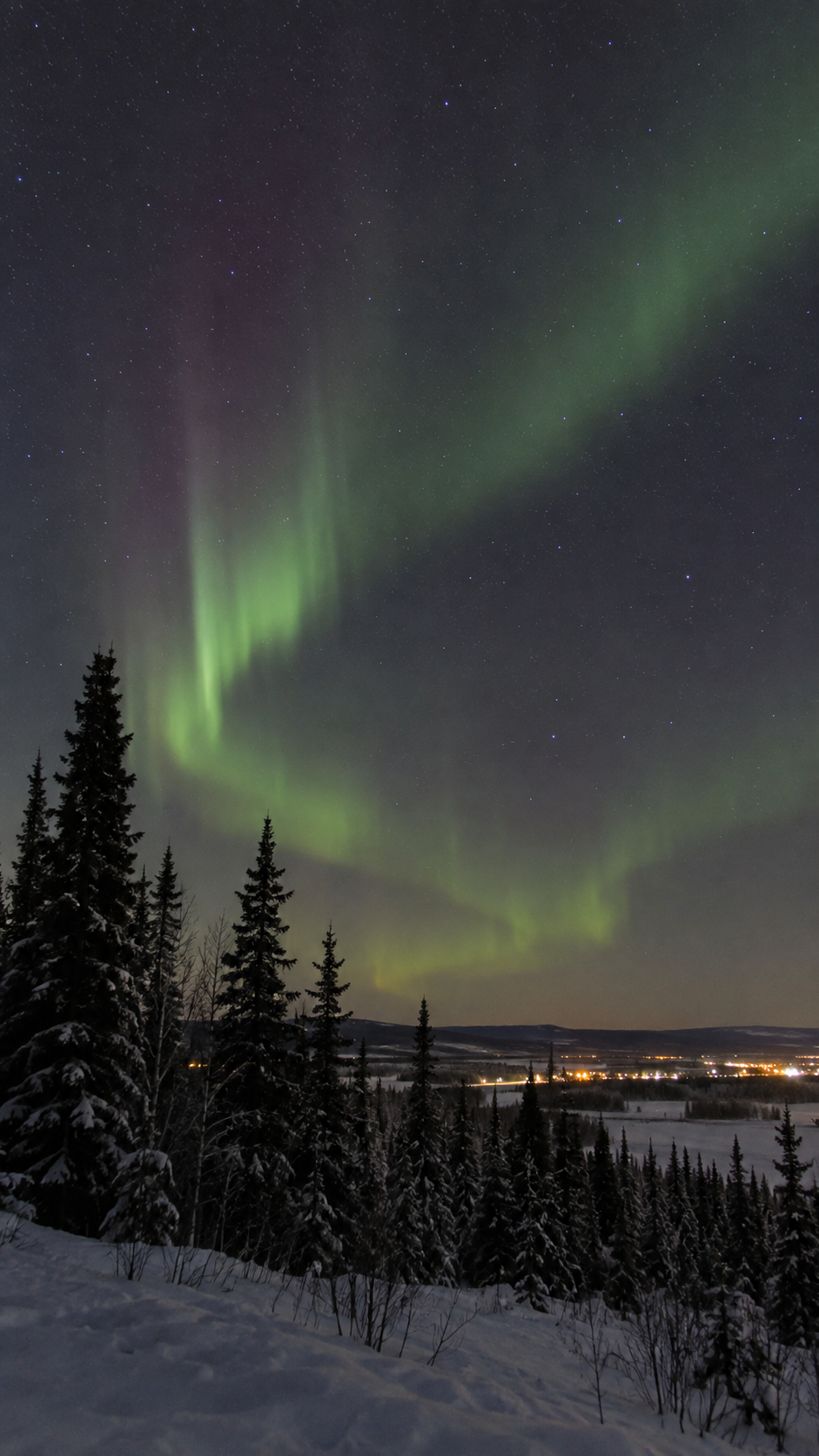
So where do you stand to watch? Fairbanks, Alaska is the classic answer. Dark skies return by late August, the season is already underway, and you can drive twenty minutes out of town to darkness. Across the Atlantic, Tromso in Norway pairs the lights with fjords, while Abisko in Sweden sits in a rain shadow that keeps its skies clearer than almost anywhere else in the auroral zone. Yellowknife in Canada and the Icelandic countryside round out the short list. Any of them will do in late September. The sky is the variable, not the address.
Which brings us to the part that actually decides your night. A tip that works: check the Kp index, check the weather, and go only when both are good. The Kp index is NOAA's 0 to 9 scale of geomagnetic activity. At high latitudes like Fairbanks or Tromso, a Kp of 2 or 3 can already paint the sky; a Kp of 5 or more means a geomagnetic storm is underway. Then check the cloud forecast with the same seriousness, because the strongest solar storm on record means nothing under a ceiling of cloud. For the darkest skies, time it around the new moon. High index, clear sky, new moon: that is the whole system.
September also gives you the softer wins. Milder nights than deep winter. Fewer crowds than the Christmas rush. Roads you can drive without chains. And a sky that, twice a year, is tilted in your favor.