★ Wildlife
Cage Diving Where It All Began: Gansbaai, South Africa
Worth making time for
The ocean's most famous predator is also one of its hardest to find. But in a handful of places on Earth, a wild great white sighting is almost a sure thing.
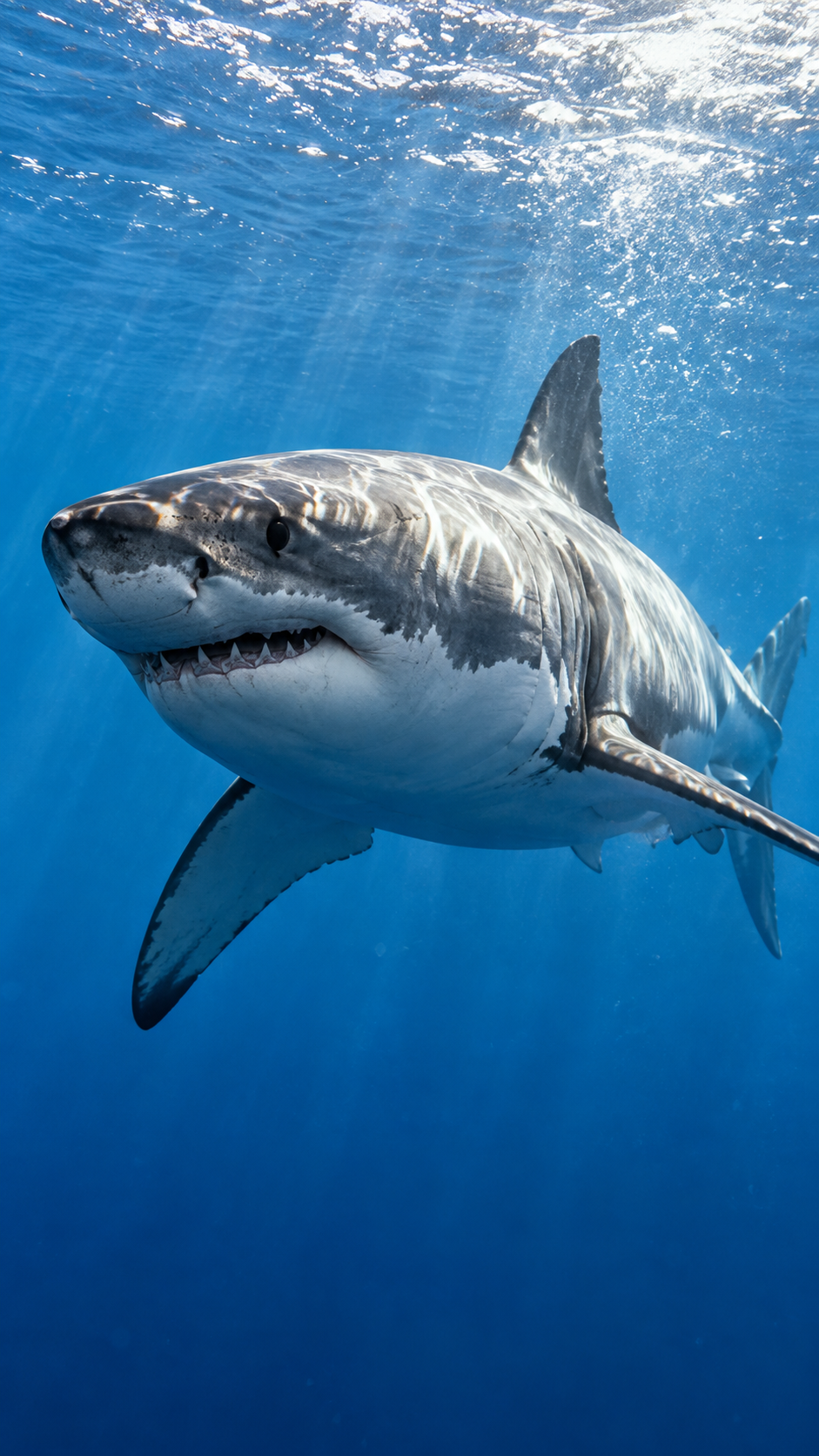
Few animals command the imagination like the great white shark. It grows up to twenty feet long, patrols coastlines on every continent except Antarctica, and stars in our collective nightmares, yet most people will never see one. Great whites do not survive in aquariums, and the ocean is very good at hiding them. That is exactly why a small set of destinations has built an entire travel niche around finding them.
Start with the one to cross off your list: Guadalupe Island, Mexico. For two decades it was the undisputed capital of great white cage diving, with gin-clear water, hundreds of identified sharks, the place every documentary filmed. Then, effective January 10, 2023, Mexico permanently banned all shark-related tourism inside the reserve, citing bad practices by operators. If a website still sells you a Guadalupe shark trip, walk away.
The reliable classic is now South Australia's Neptune Islands. Cage-diving boats have run out of Port Lincoln for decades, and the Southern Ocean visibility plus a resident seal colony keep the sharks coming back. This is the closest thing to a sure bet, with calm logistics, experienced operators, and some of the clearest water you will ever dive in.
Then there is Gansbaai, South Africa, for years the most famous cage-diving town on Earth, and the place most people picture when they imagine this trip. Honesty requires a caveat: great whites have become genuinely rare here since around 2017. A pair of orcas nicknamed Port and Starboard began hunting them, and tracked sightings fell roughly 90% between 2019 and 2024. Cage boats still go out daily, but the shark you are most likely to meet now is the bronze whaler, not the great white. Go for the experience and the conservation story. Just check recent sighting reports before booking flights.
The most accessible option for Americans is closer than you would think: California's Farallon Islands. From September through November, white sharks gather at the islands, 27 miles off San Francisco, to hunt seals, and boat tours go out to watch, from the deck rather than a cage (cage diving is not permitted here). Breaches and predation events unfold in open water: raw and unscripted.
For the expedition-minded: Stewart Island, New Zealand. Remote, rugged, cold, and home to cage-diving operations that put you in the water with some of the largest great whites on the planet, against a backdrop of subantarctic forest.
A final word on how to go. The Guadalupe ban happened because some operators cut corners: bait handling, cage safety, pollution. Choose licensed operators with real conservation records, never book anyone who promises you can touch a shark, and remember that great whites are protected in most of these waters. The best encounter is the one that is good for the shark, too.