★ History
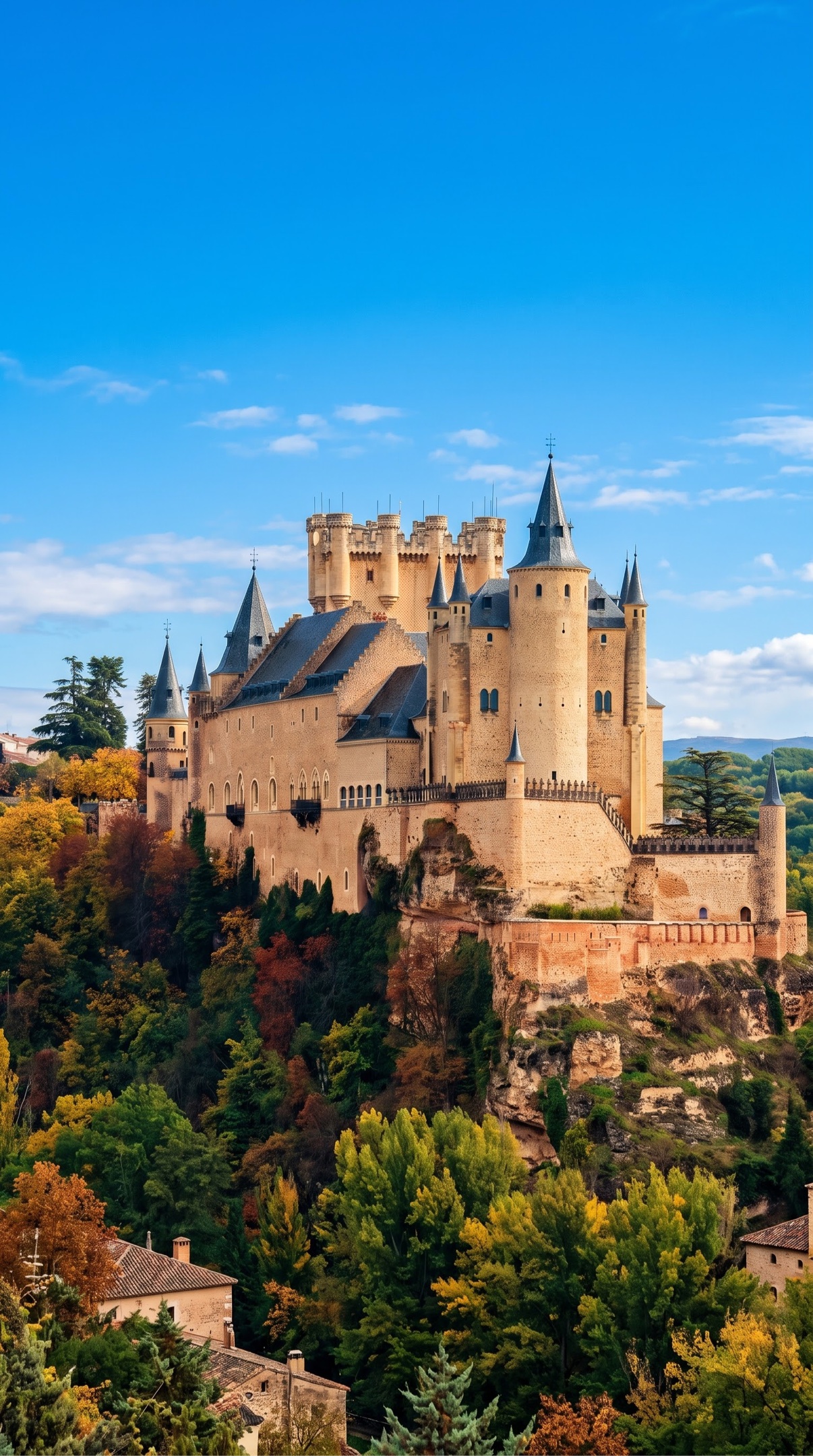
Alcázar of Segovia
Worth making time for
In northern Poland, about 40 minutes southeast of Gdansk, Malbork sprawls along the Nogat River in red brick as far as the eye can follow. Begun in 1274, it became the headquarters of the Teutonic Knights, warrior monks who built a Baltic empire on trade and conquest, and grew into the largest brick castle on earth. The castle is really three castles in one, High, Middle, and Low, a monastery, a fortress, and a palace at once, with the Grand Master's Palace, the vaulted Great Refectory, and St. Mary's Church among its halls. In 1410 the Order lost its army at Grunwald, and Malbork held for two months as the last stand, but the empire never recovered. In 1945 more than half the castle was destroyed, then rebuilt from old paintings and engravings, and in 1997 it joined the UNESCO World Heritage list. Every July, at the end of the month, the Siege of Malbork reenactment stages the 1410 siege.
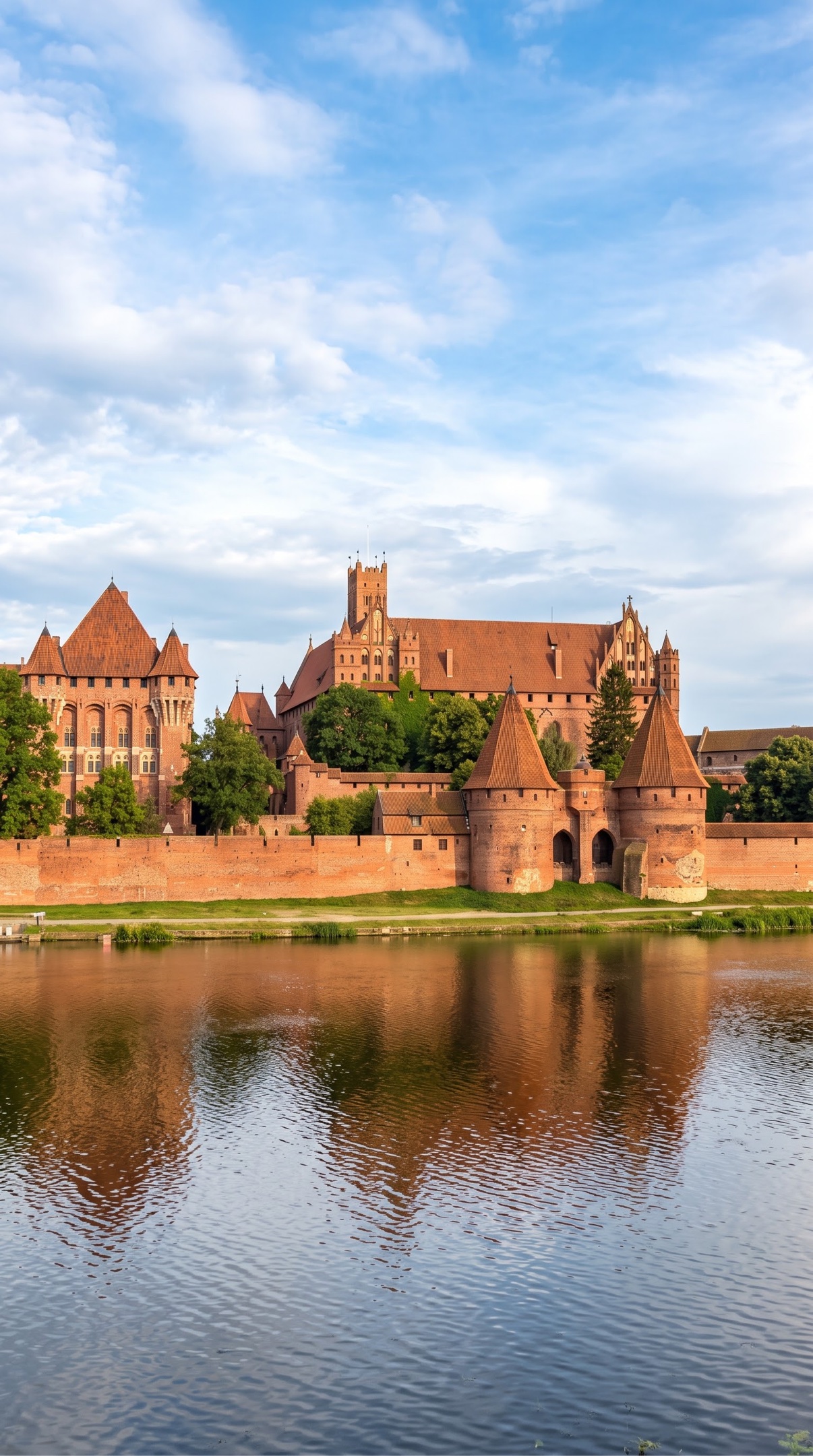
The capital of a warrior monk empire, monastery, fortress and the palace, three in one, and the largest brick castle in the world.