★ Treasures
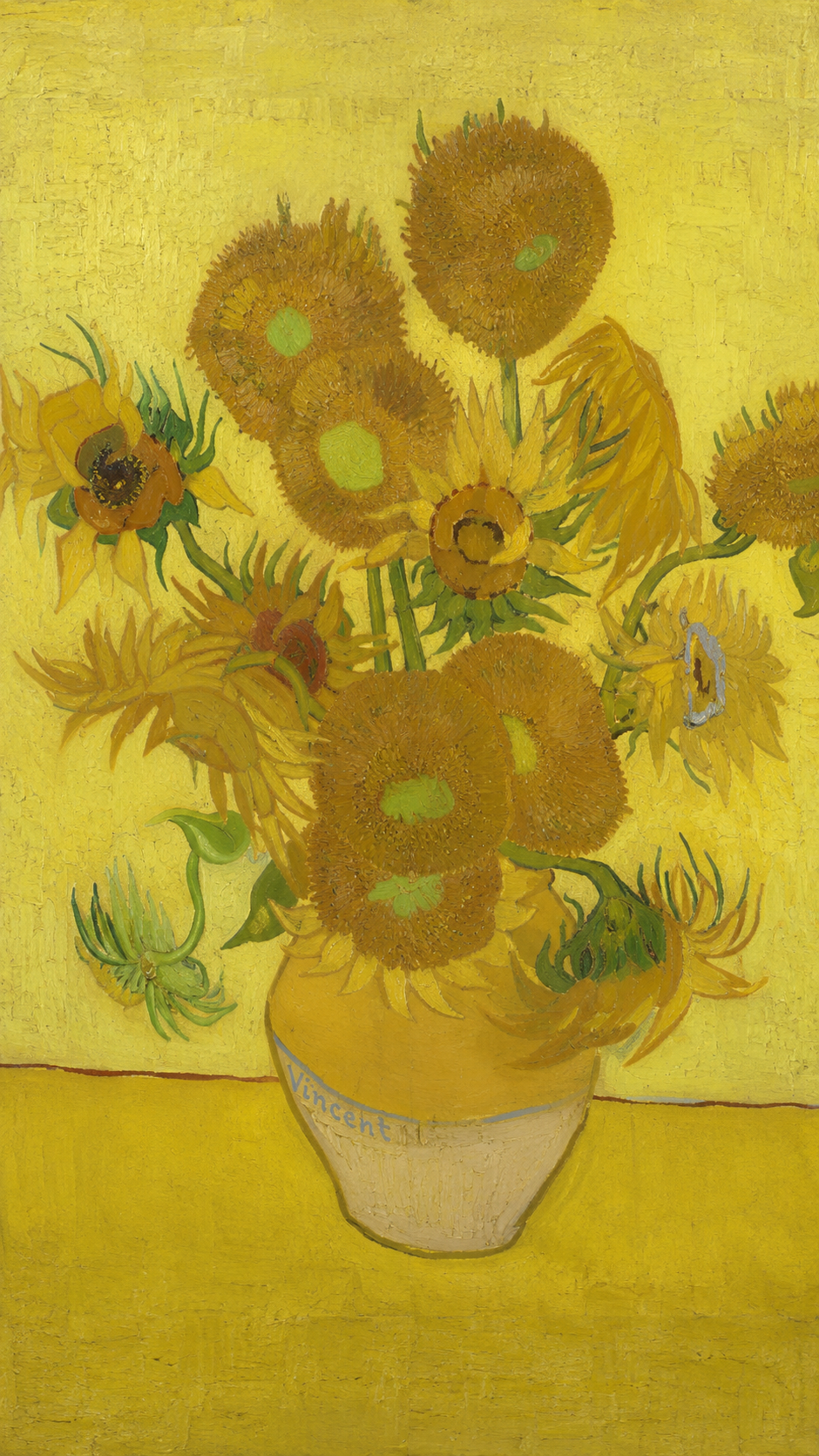
See Van Gogh’s Sunflowers
Worth making time for
The Rosetta Stone is a 196 BC Egyptian decree written in hieroglyphs, Demotic, and Ancient Greek, and it became the key to deciphering Egyptian hieroglyphs. It is on permanent display in Room 4 of the British Museum in London, UK.
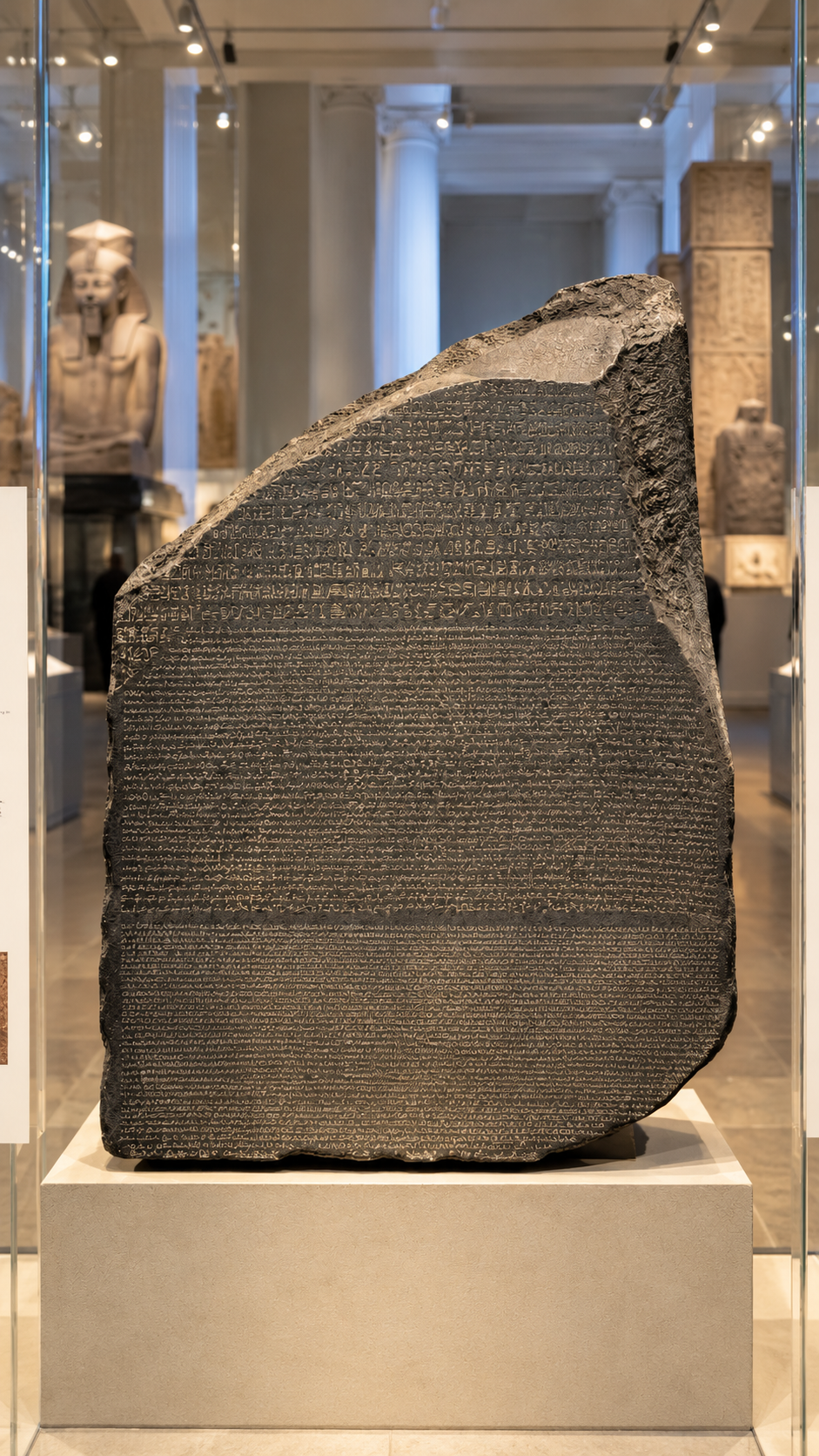
The Rosetta Stone is one of the most important archaeological discoveries in history because it helped scholars finally decipher ancient Egyptian hieroglyphs. Created in 196 BC during the reign of Ptolemy V, it records the same official decree in three scripts: Egyptian hieroglyphs, Demotic, and Ancient Greek. Because scholars could already read Greek, they were able to compare the texts and gradually unlock the meaning of hieroglyphs, culminating in Jean François Champollion’s breakthrough in 1822. That discovery transformed our understanding of ancient Egypt, making it possible to read inscriptions on temples, tombs, monuments, and papyri that had been silent for centuries. The original stone is on permanent display at the British Museum in London.

The British Museum can get extremely crowded, especially in summer, and the Rosetta Stone is always surrounded by several layers of people, making it hard to get a proper look without blocking those waiting behind you. If seeing it up close matters, consider visiting during an off peak season.