Wonders
Crater Lake National Park
Worth making time for
Every volcano is born, lives, and dies. In America, you can walk through each chapter of that life in five national parks.
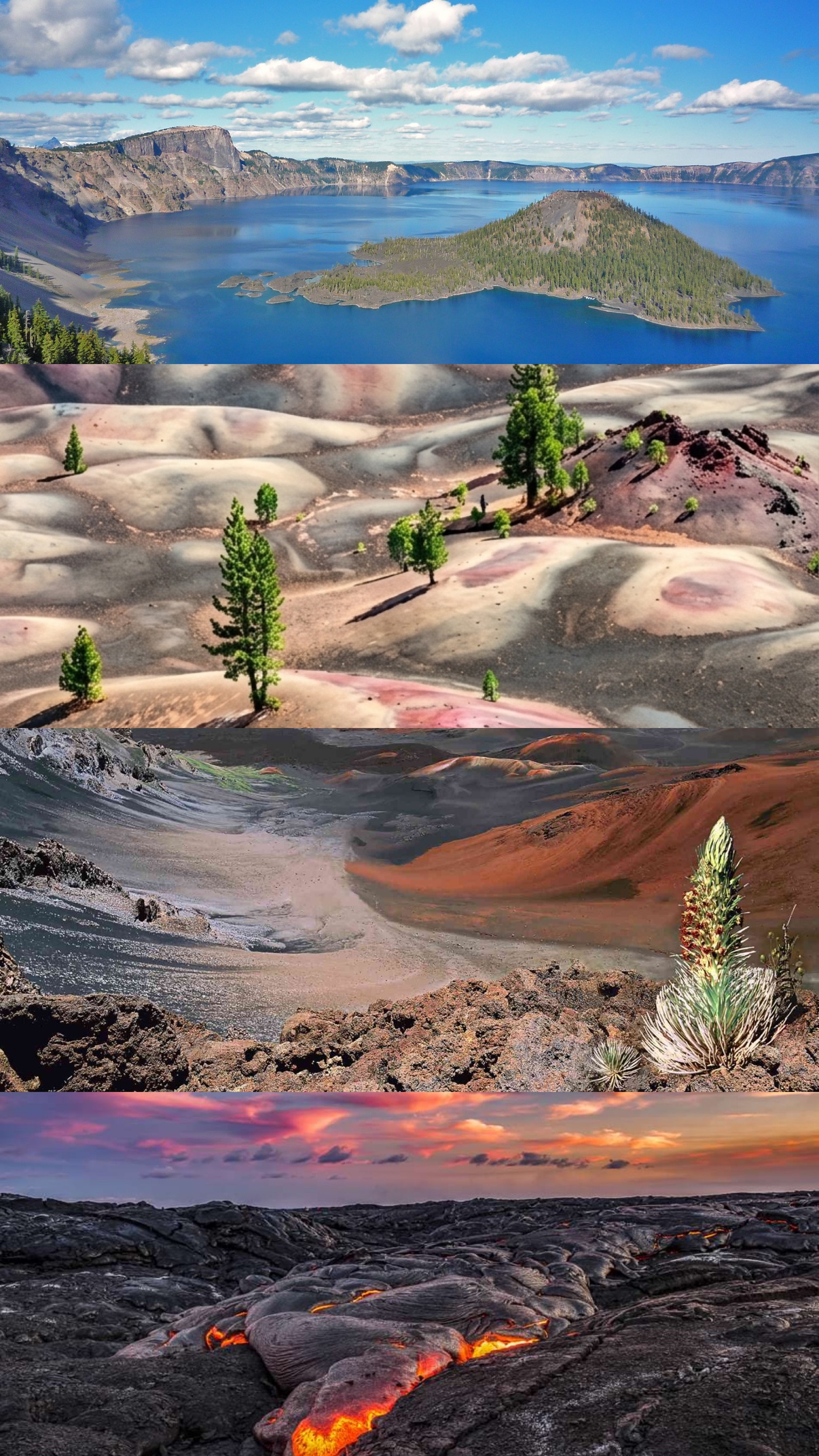
I have watched a volcano erupt at night on the Big Island, lava fountaining against the dark as it flowed downhill toward the sea. I have also scrambled through the talus caves of Pinnacles, which are the bones of a volcano that died 23 million years ago. Between those two extremes sit three more parks, each frozen at a different stage of the same story.
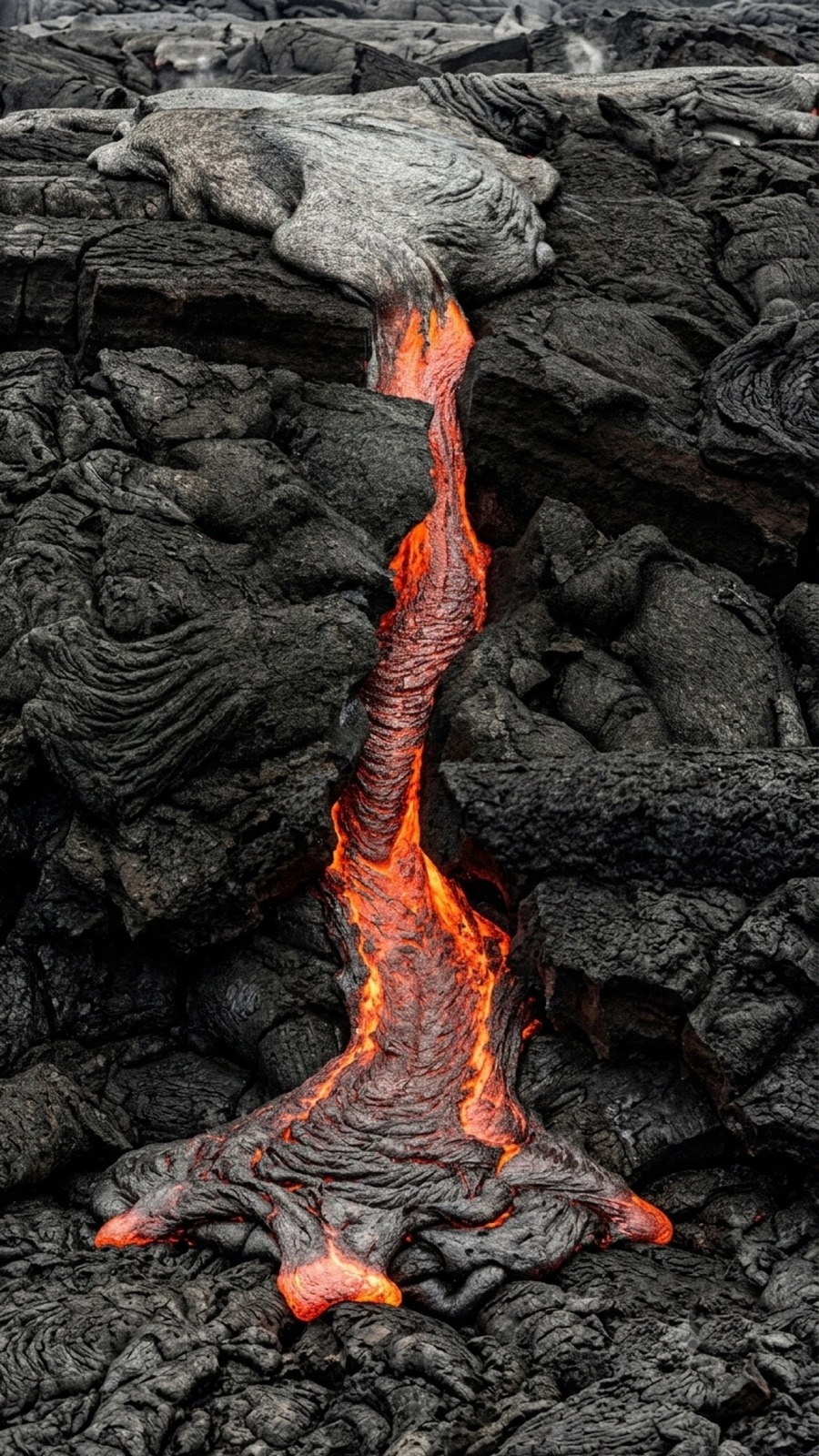
Hawaiʻi Volcanoes, still being born
Kīlauea is one of the most active volcanoes on earth, and it is still building the Big Island grain by grain. The move is to go after dark, when the mountainside glows and you can watch lava fountaining in the distance. By day, walk through the Thurston Lava Tube, a tunnel left behind by a river of molten rock. The dry season from April through October brings the least rain. The honest catch is that eruptions pause without warning, so check the volcano's current status before you plan around it, and you will always watch from a distance behind fences and closed trails.
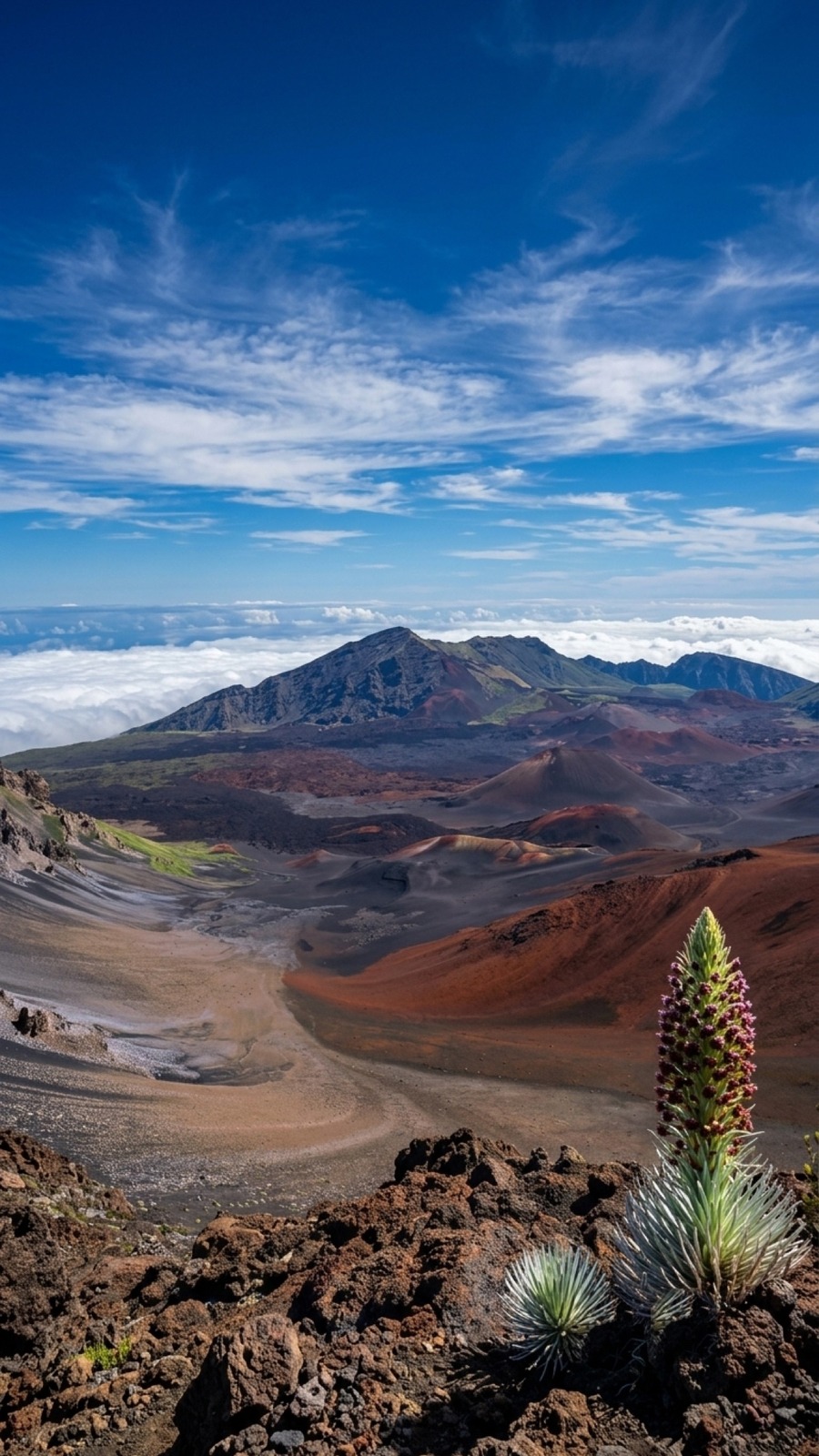
Haleakalā, asleep but not dead
Haleakalā last erupted 400 to 600 years ago, and geologists expect it to erupt again. It is dormant, not extinct. What you come for is the sunrise. Crowds gather at 10,023 feet to watch the sun rise above a sea of clouds. Then hike into the crater itself, a Mars like floor of red and black cinder cones with silversword plants that grow nowhere else on earth. November through April brings comfortable temperatures and thinner crowds.
Crater Lake, the one that blew itself apart
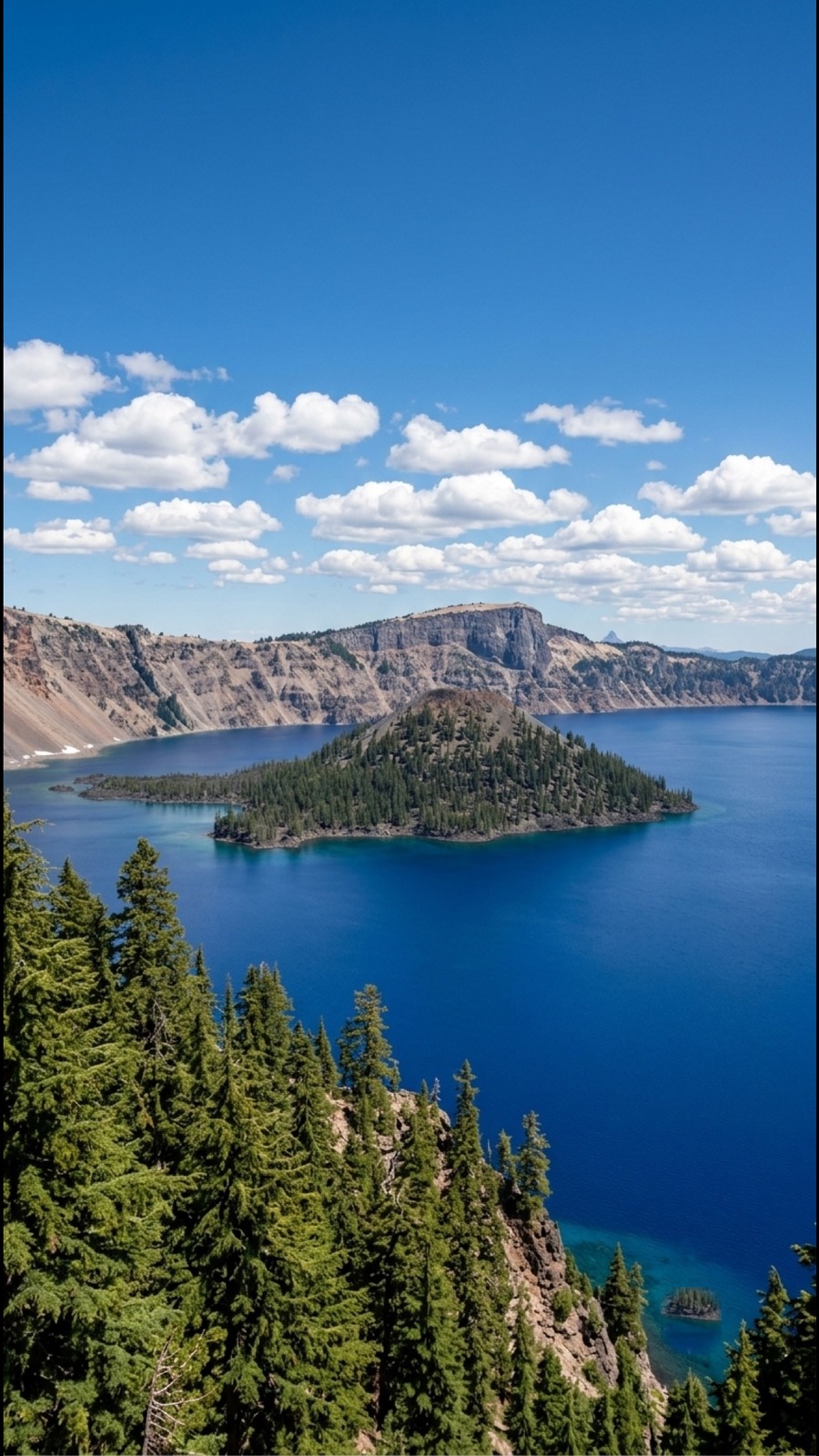
About 7,700 years ago Mount Mazama erupted so violently that the mountain collapsed into its own emptied magma chamber. What is left is the deepest lake in the United States, 1,949 feet of water so pure it glows an unnatural blue, with a cinder cone called Wizard Island rising from the surface. July through September is the window, when the rim road is open and the snow is gone. The blue does not look real.
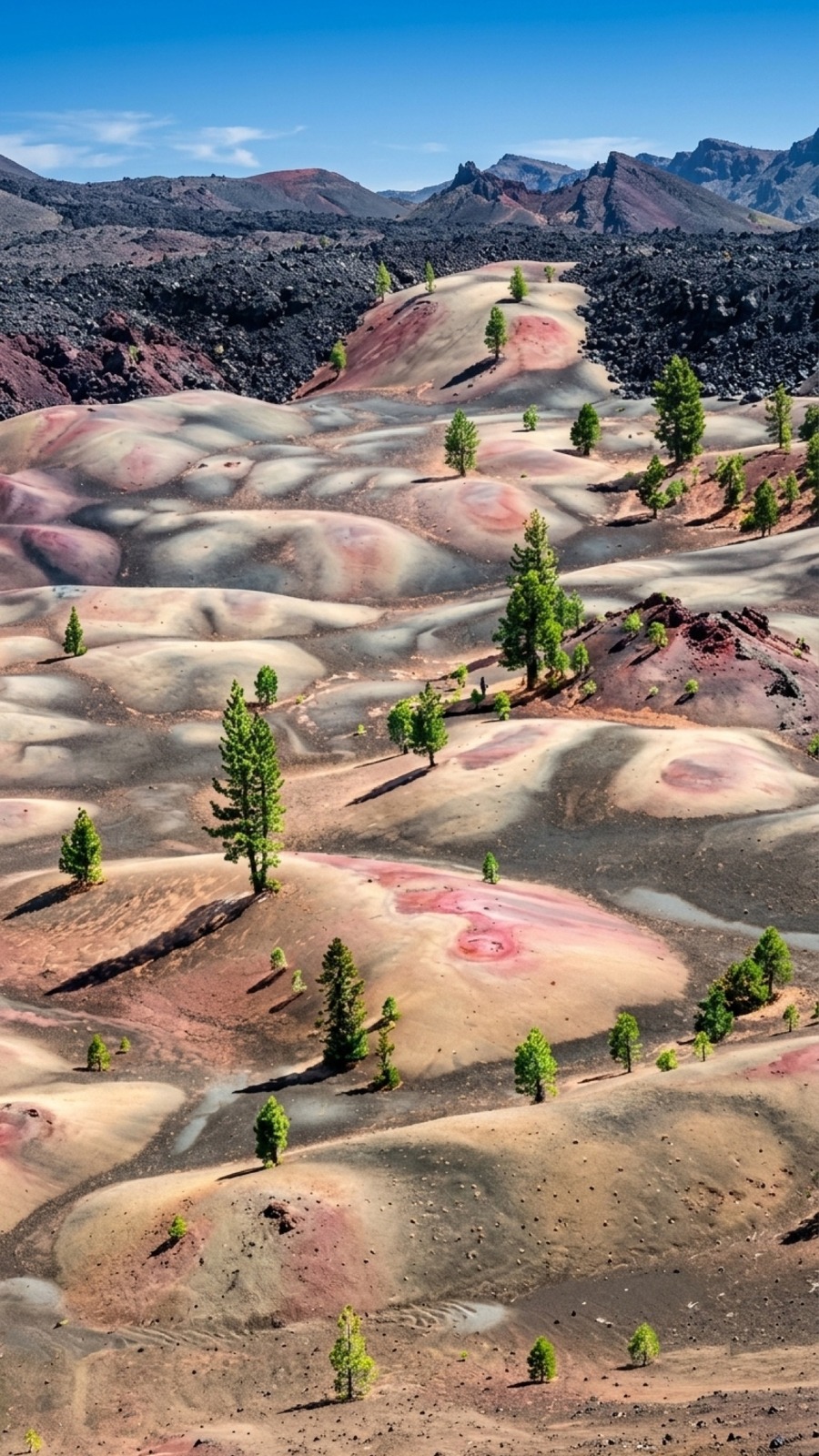
Lassen Volcanic, the archive
If the other parks are chapters, Lassen is the reference shelf. It holds all four types of volcanoes in a single park, crowned by Lassen Peak, the largest plug dome volcano in the world. Bumpass Hell, the park's largest hydrothermal basin, bubbles with mud pots and steaming fumaroles. Come July through September, when the roads are open and the trails are snow free.
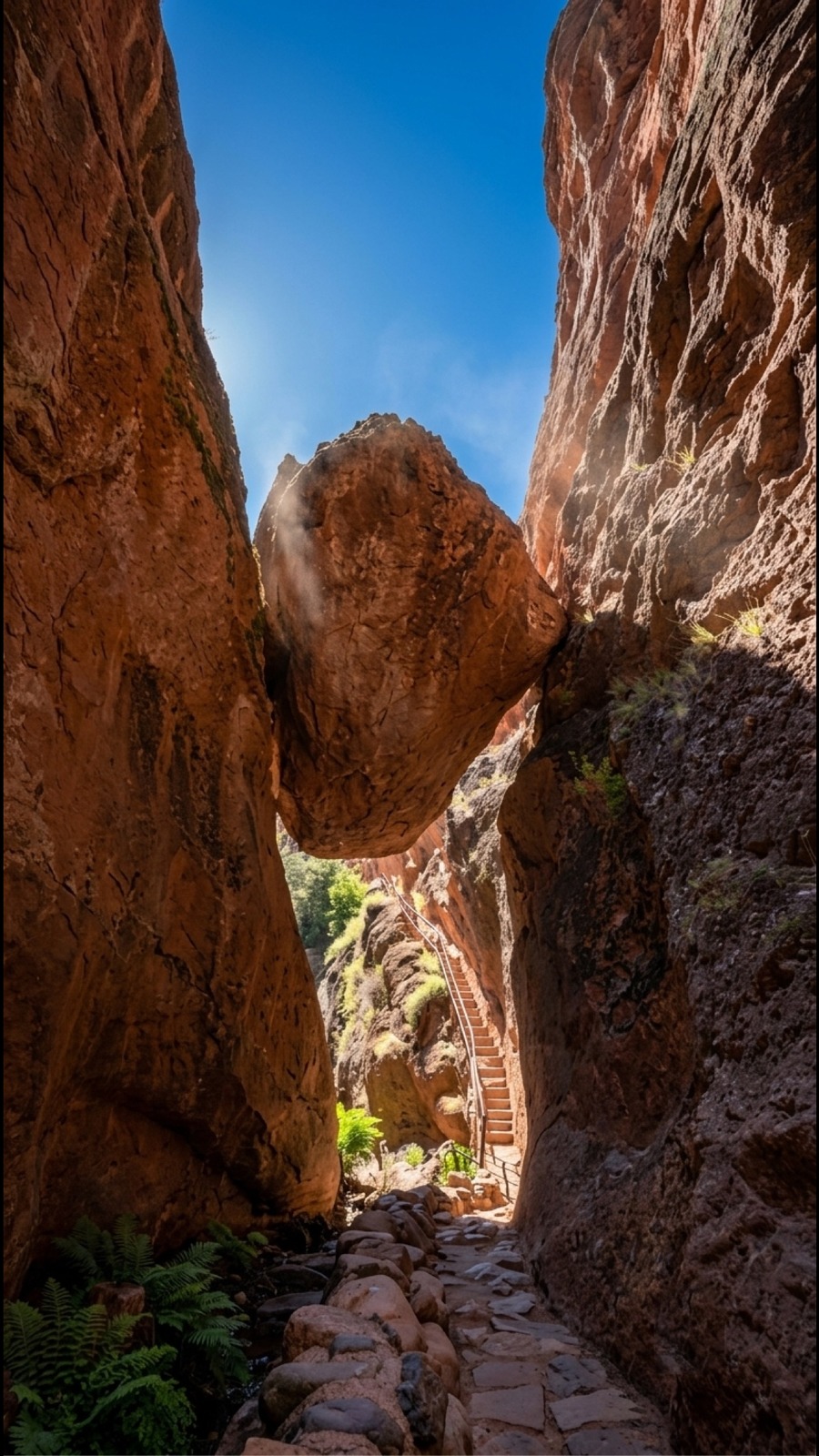
Pinnacles, down to the bones
This is what a volcano looks like at 23 million years old. Pinnacles is half of the Neenach Volcano, which erupted near present day Lancaster and was then sliced in two by the San Andreas Fault. The Pacific Plate carried this half 195 miles north, and wind and water whittled it into jagged spires. Trails wind through talus caves, dark boulder tunnels that sometimes close to protect the Townsend's big eared bats raising their young inside. March through May brings wildflowers and the best hiking weather.
Five parks, one life. The volcano is born in Hawaii, sleeps on Maui, destroys itself in Oregon, gets catalogued in Northern California, and ends as a skeleton in Central California. Most travelers meet one volcano in a lifetime. These five parks hold the entire arc, from birth to bones.