★ Wonders
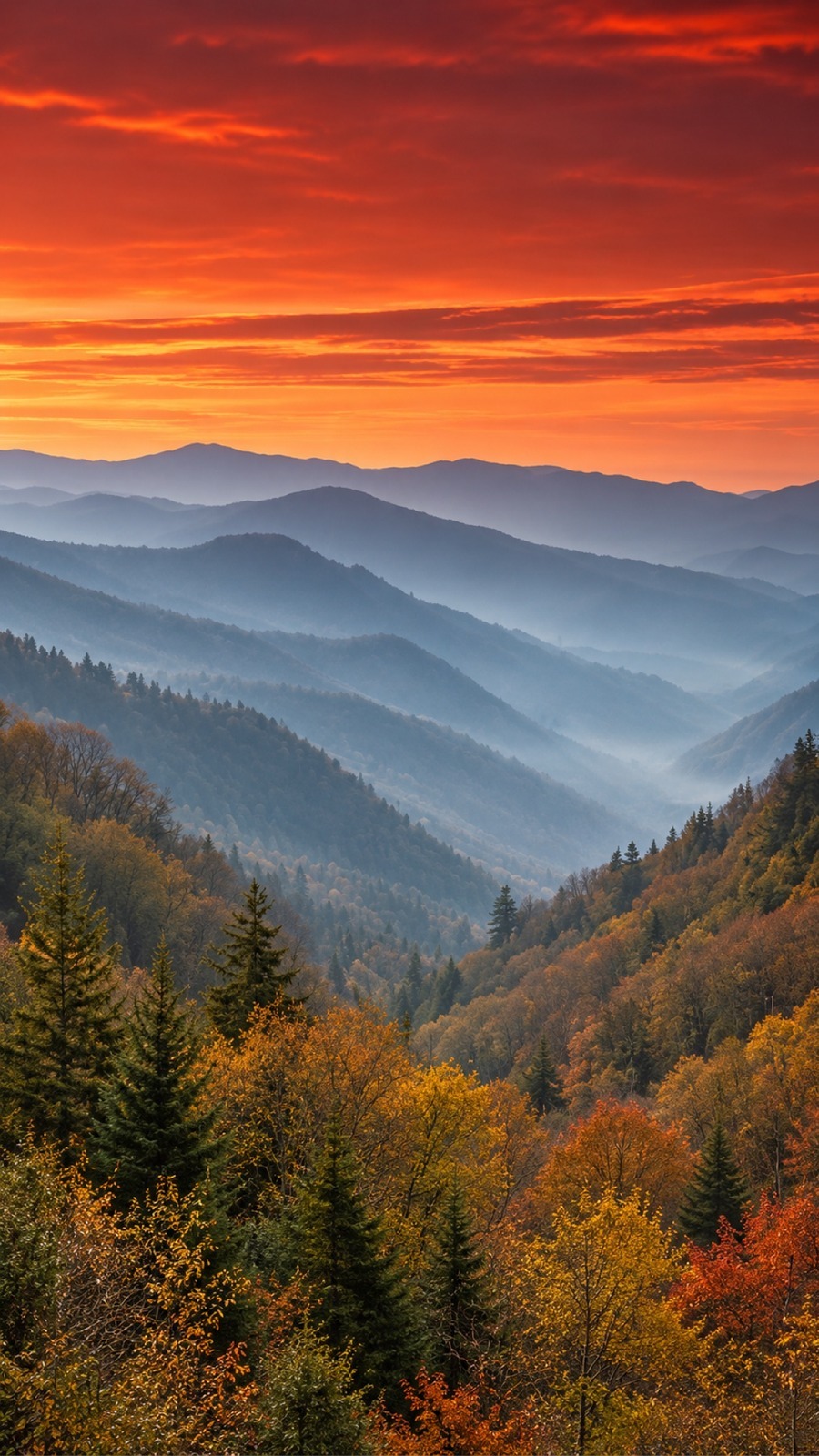
Great Smoky Mountains National Park
Worth making time for
On the Selangor River in Malaysia, the trees blink in perfect unison, every night of the year.
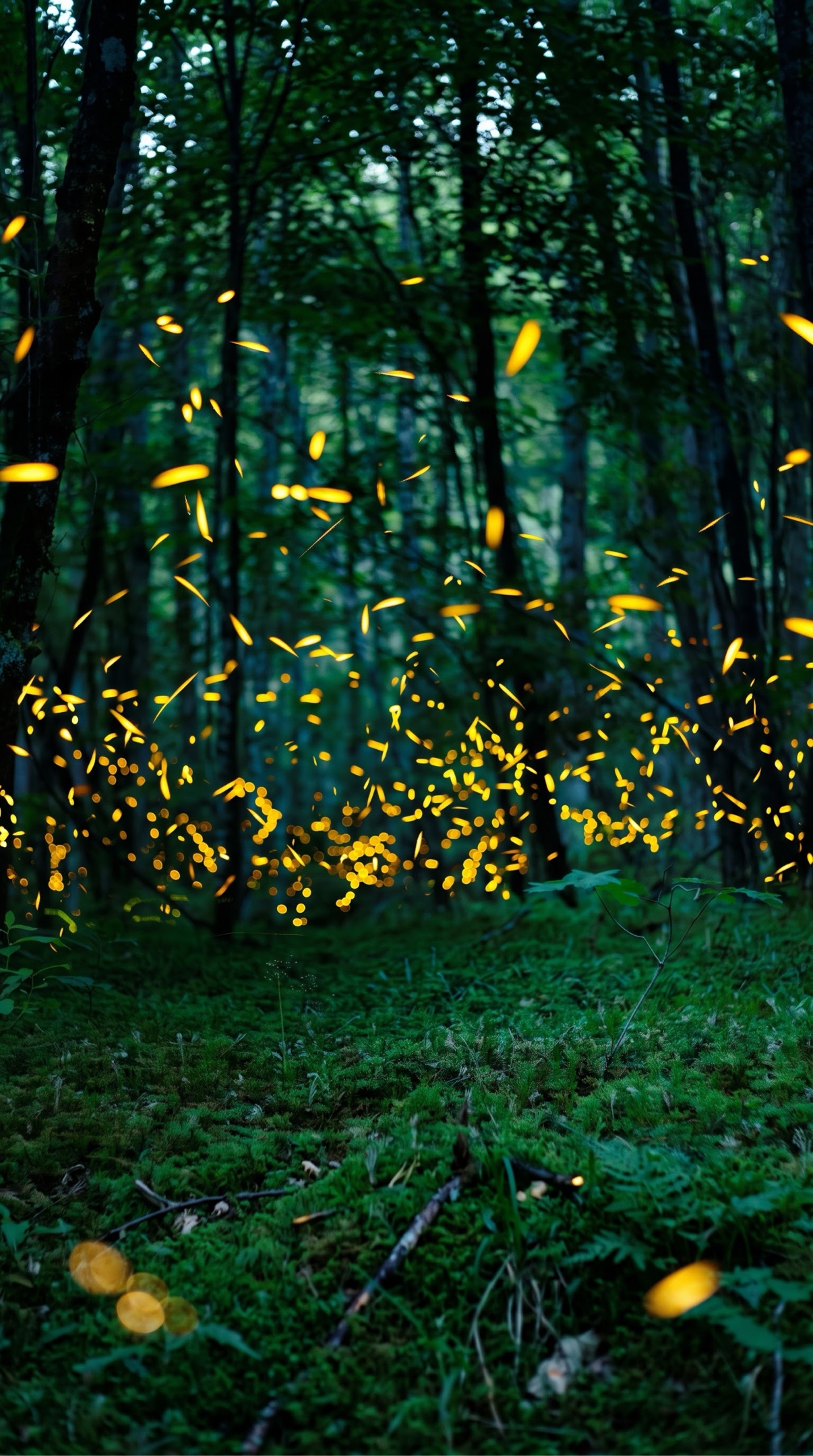
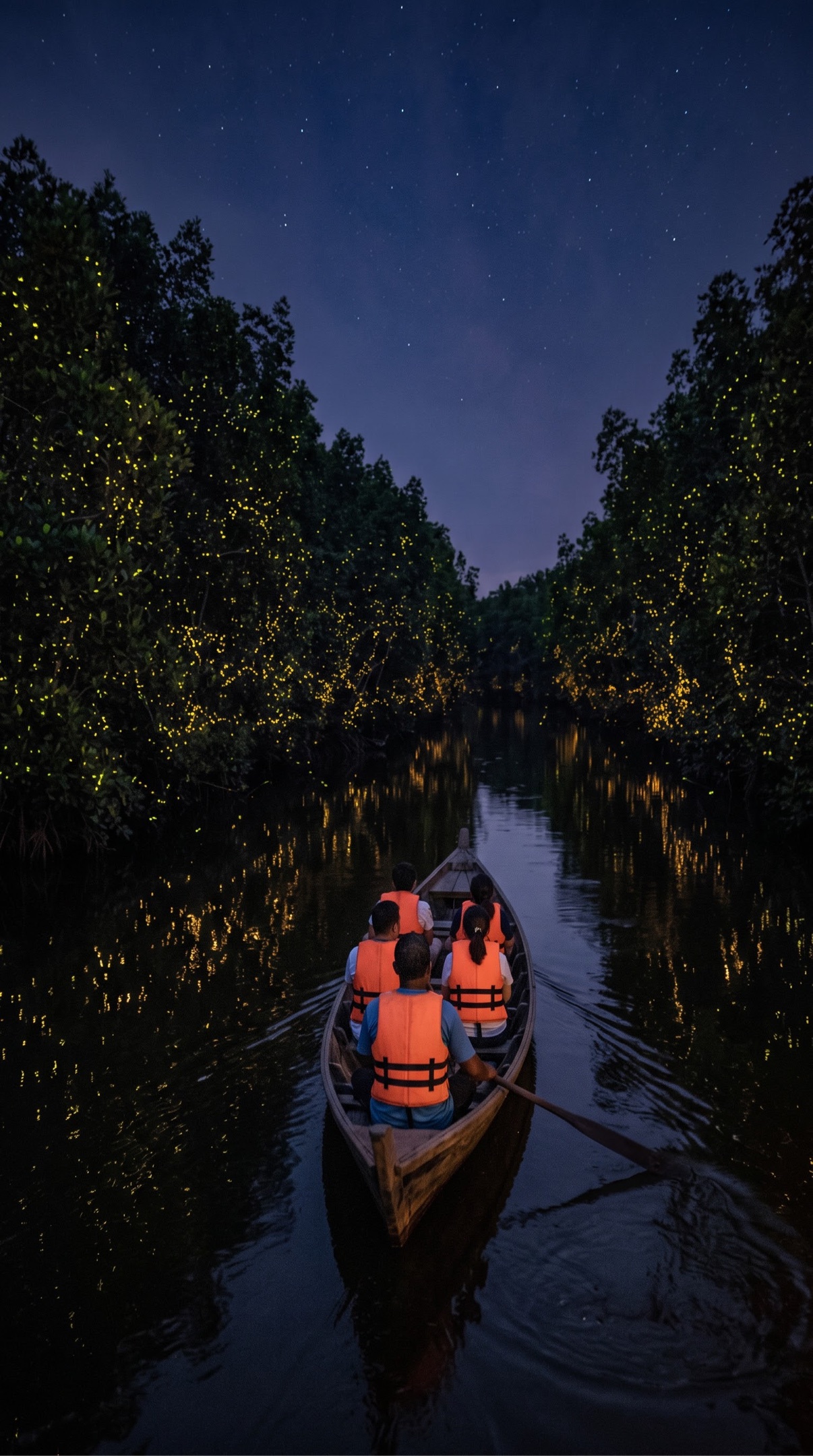
About an hour from Kuala Lumpur, the Selangor River winds through mangrove forest to the sea. On warm nights along its brackish lower reaches, thousands of fireflies gather on the berembang trees and begin flashing as one. A wave of light rolls through the dark in perfect time, then stillness, then the wave again. Scientists call it synchronous flashing, and this is where they first documented it, over a century ago.
You watch it from a small wooden sampan. Board at the Kampung Kuantan jetty after sunset, four to a boat, and the boatman poles you out into near total darkness with no engine running. The display begins about an hour after sunset and burns brightest for two or three hours. Whole trees pulse with light, then go dark, then pulse again. On a clear and moonless night the effect is total. The river, the trees, and the stars above all seem to be blinking at once. Go on a clear night and skip heavy rain evenings, when the fireflies hide and trips are cancelled.
The same unison flashing can be seen in the United States, at Great Smoky Mountains National Park in Tennessee and Congaree National Park in South Carolina. But you will need a lottery to get in. At Elkmont in the Smokies, tens of thousands enter each year for roughly a thousand vehicle passes to watch the late May and early June display. At Congaree, a smaller lottery of 145 passes a night covers a mid May display. Both lotteries open each April, both are worth entering, and neither is guaranteed.
One honest note. The firefly numbers on the Selangor are declining as development and light pollution press in on the mangroves, and the scientists studying the river say so plainly. The display is still magnificent, and it is still there every night. But this is a reason to go sooner rather than later, while the river still blinks.
Would you want to experience any of these someday?