★ Wonders
Everglades National Park
Worth making time for
Beyond the beaches and theme parks, three national parks protect Florida's wildest side, from a river of grass to a coral reef to a fortress island in the open Gulf.
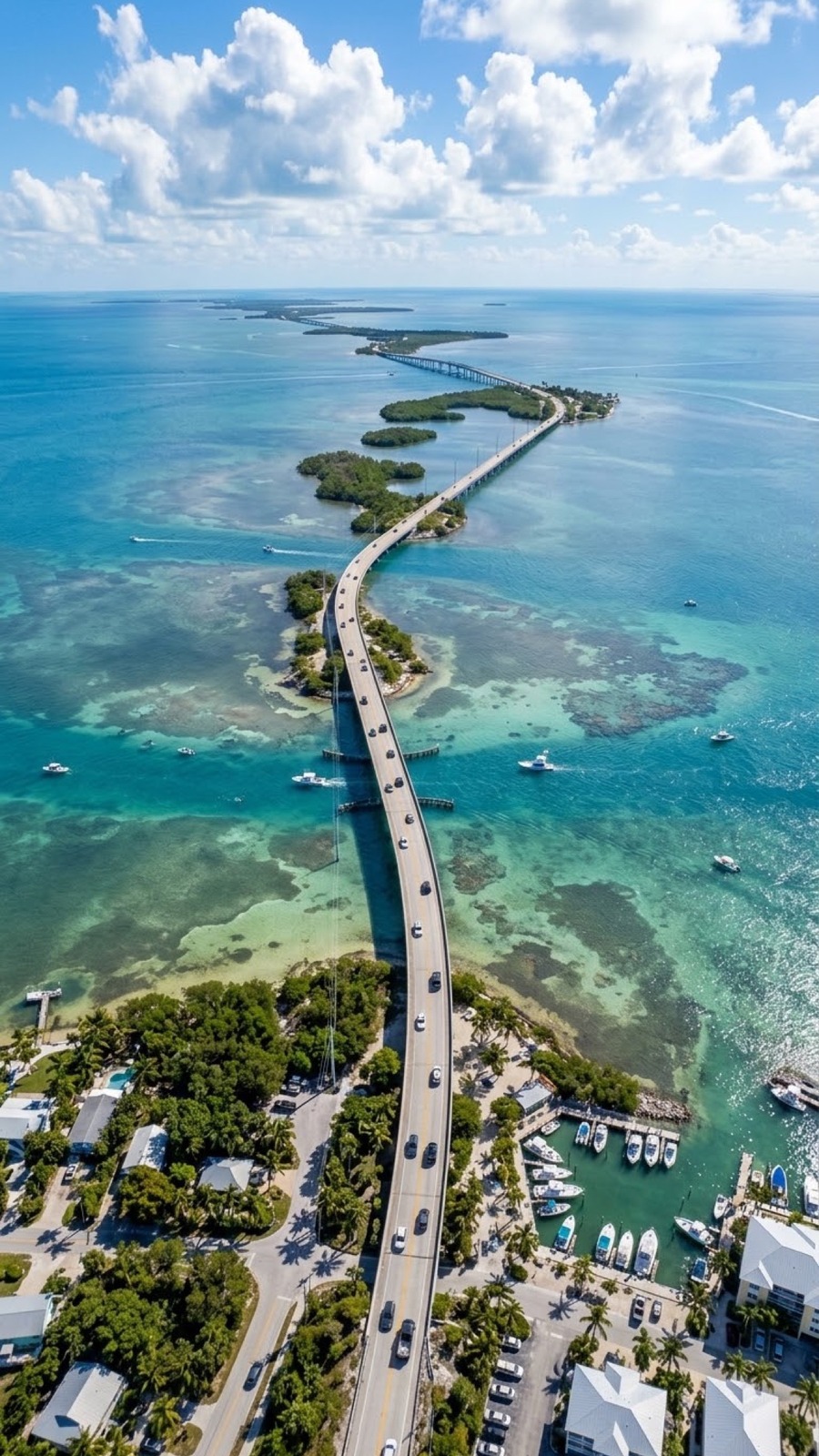
Most visitors know Florida for its beaches and theme parks. But the state is one of the wildest corners of the country. Florida ranks fourth in the nation for endemic species (only California, Hawaii, and Texas have more), creatures found nowhere else on earth. The Florida panther is the only breeding cougar population left in the eastern United States, roughly 200 animals in the southern swamps. The Florida scrub jay is the only bird found solely in Florida. The Key deer, the smallest deer in North America, lives only in the Keys. And the Everglades is the only place on the planet where alligators and crocodiles share the same water. Three national parks protect this living collection, from a river of grass to a coral reef to a fortress island in the open Gulf.
Everglades
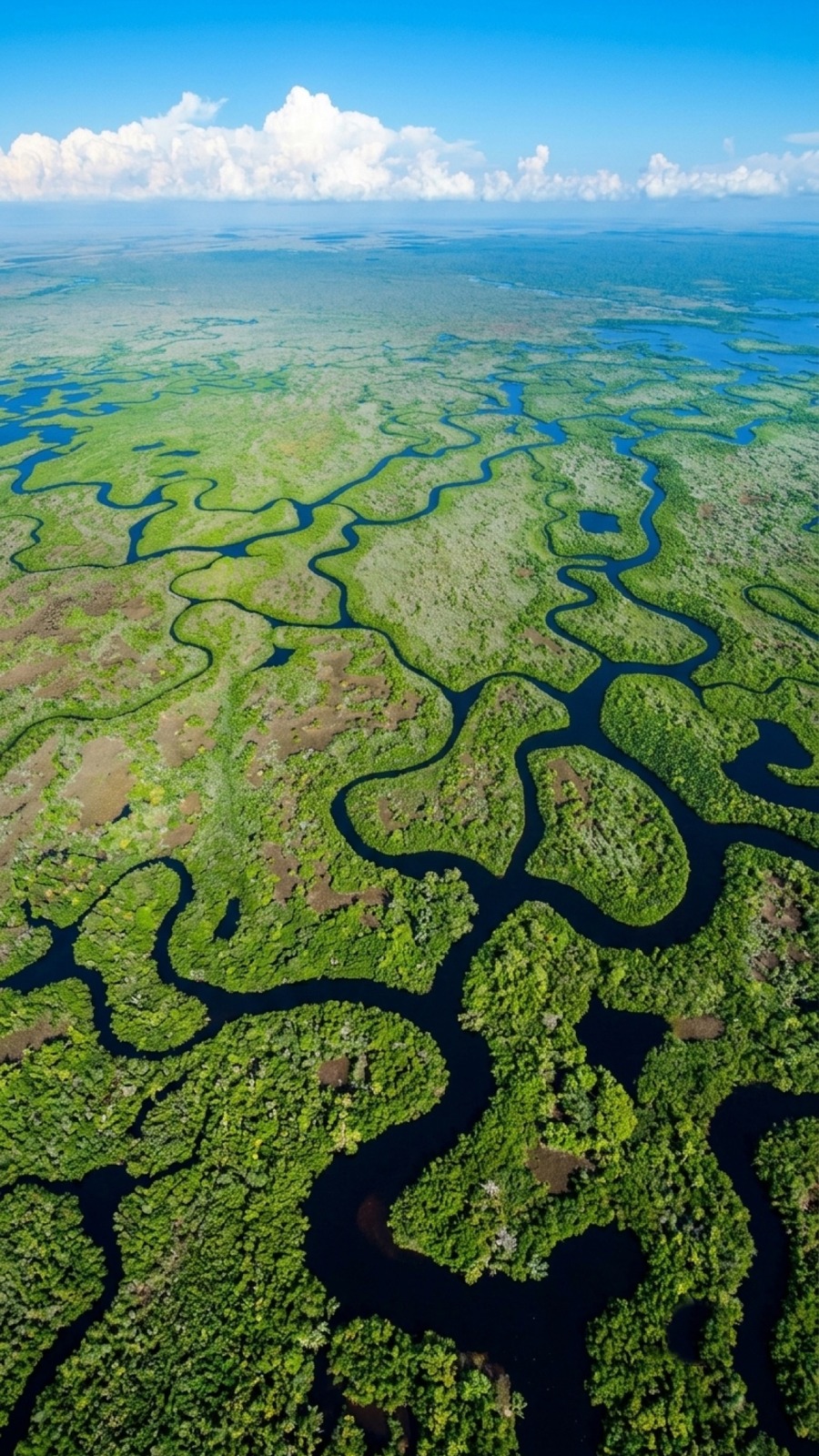
The first national park created to protect an ecosystem rather than a scenic wonder. A slow moving River of Grass, the largest subtropical wilderness in the country, where alligators and crocodiles live side by side and roseate spoonbills flash pink over the sawgrass. On the Anhinga Trail boardwalk, alligators sun themselves feet away.
Biscayne
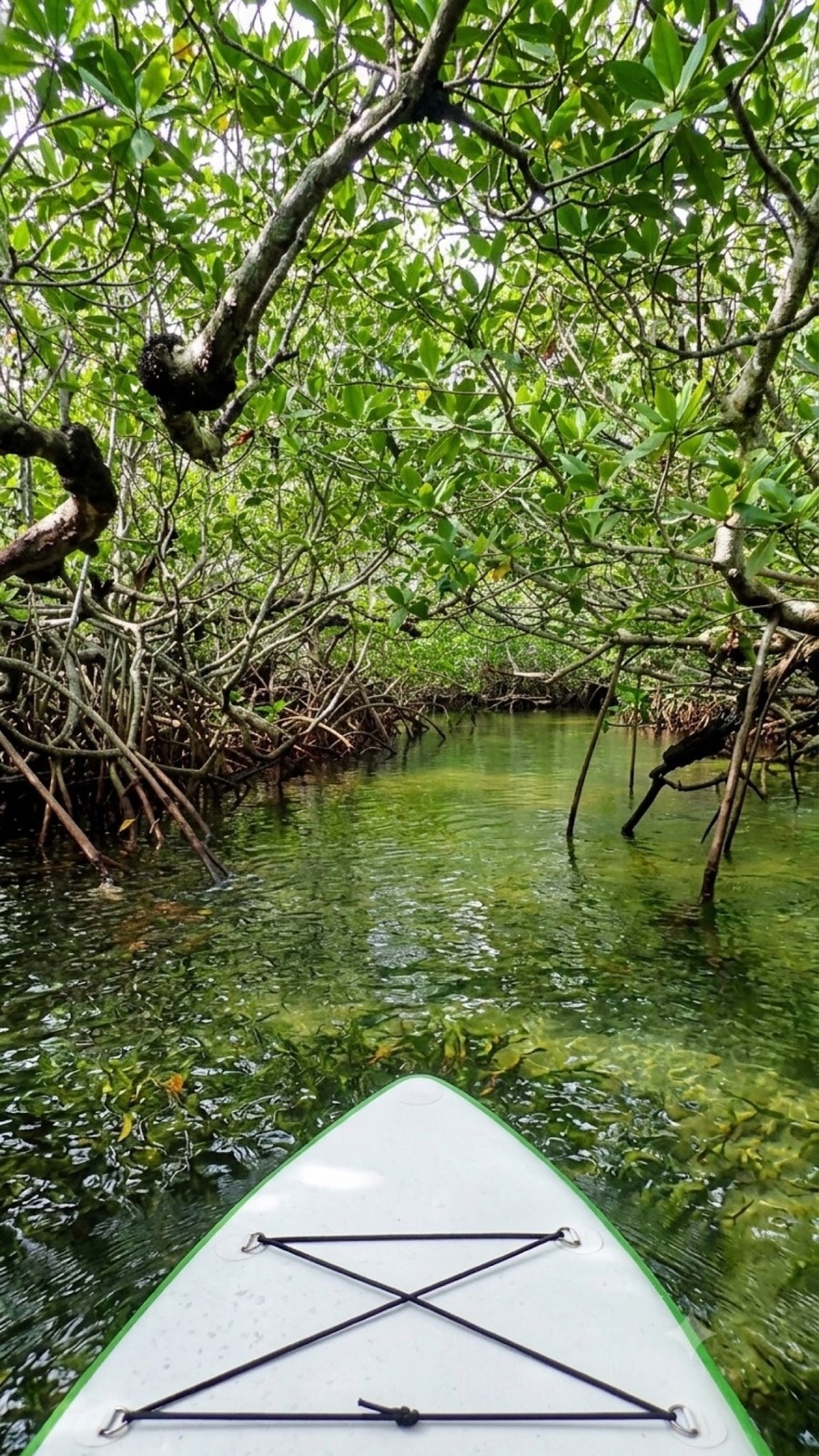
A national park that is 95 percent water. Coral reefs, mangrove shoreline, and the northernmost Florida Keys, experienced by boat and mask rather than on foot. Over 600 fish species crowd the reefs, along with eagle rays, sea turtles, manatees, and dolphins.
Dry Tortugas
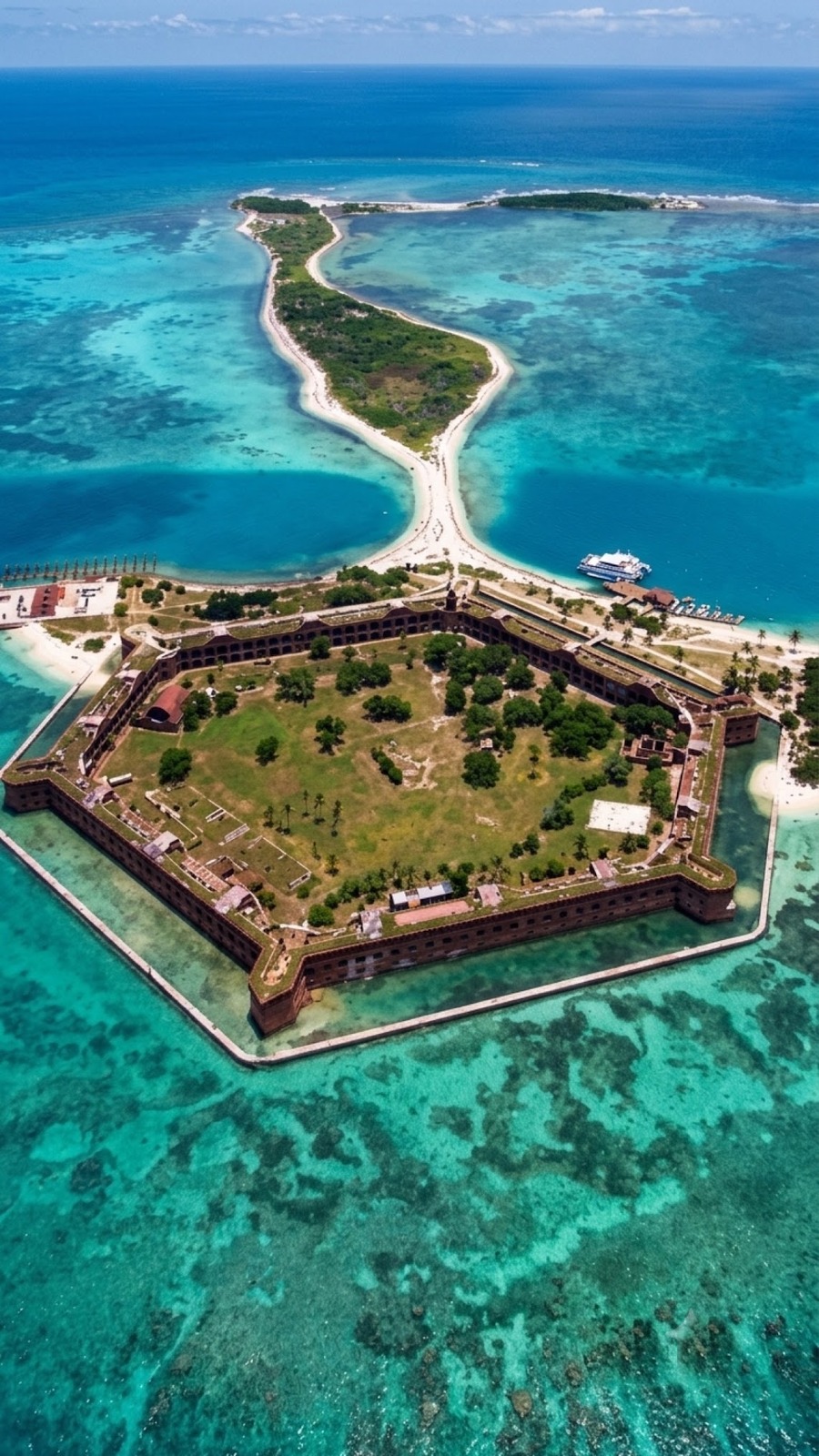
Seventy miles west of Key West, reachable only by boat or seaplane, a massive 19th century brick fortress rises from a coral island. Fort Jefferson once guarded the shipping lane into the Gulf of Mexico. Today the visit is as much about snorkeling over reefs as touring the fort, and campers who stay the night get the beaches and the stars to themselves once the day ferry leaves.
Three parks, one peninsula, and a look at one of the most biodiverse corners of the country.