★★ History
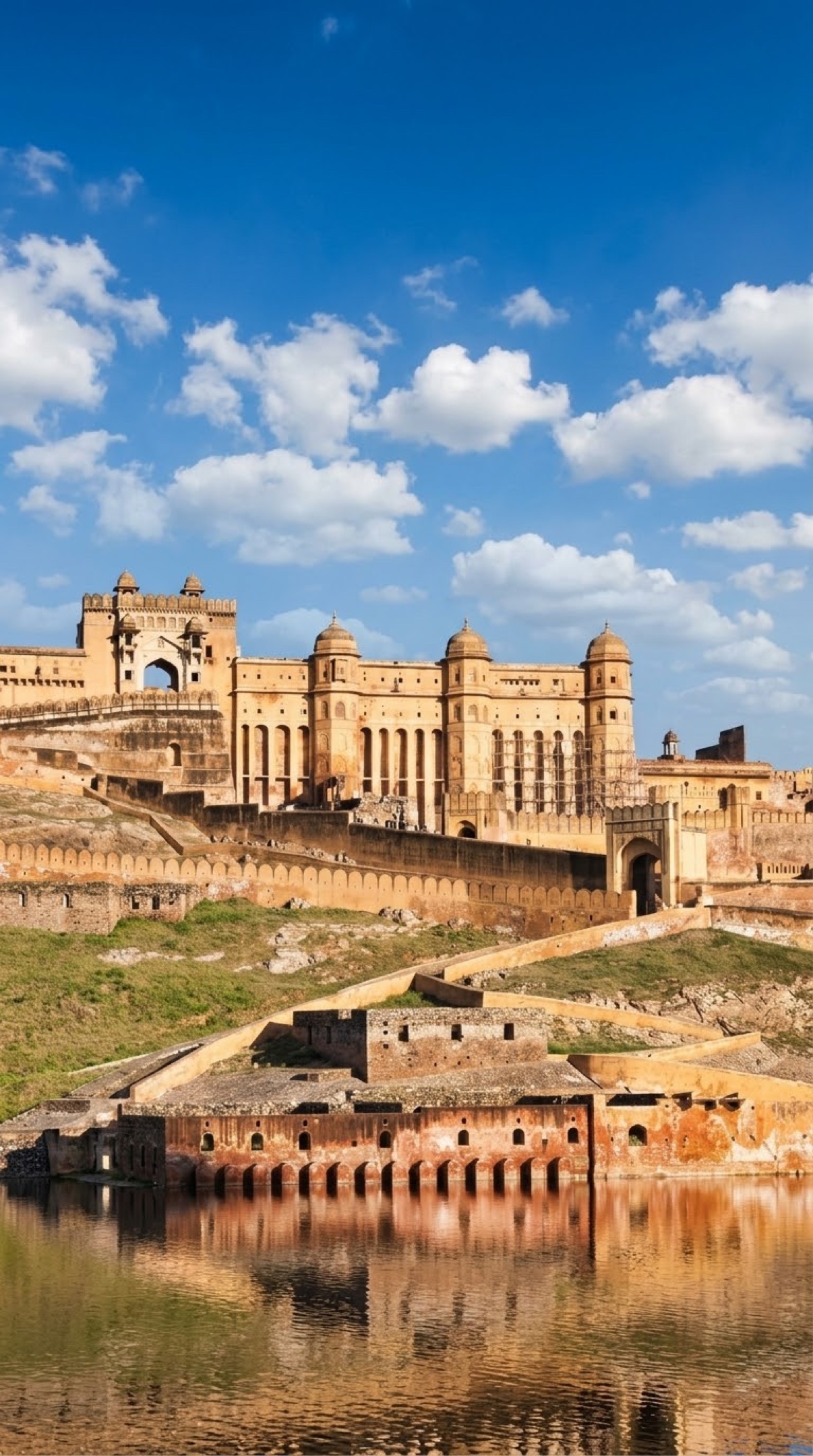
Amber Fort
Worth a detour
On the north bank of the Thames in central London, the Tower has anchored the city for nearly a thousand years. Its White Tower was raised in 1078, right after the Norman conquest of England, and for the next nine centuries this was the stronghold of English royal power: fortress, palace, prison, treasury, and execution ground in turn. These stones have witnessed it all: the two young princes who vanished inside these walls, Anne Boleyn and Lady Jane Grey beheaded on Tower Green, the reign of Bloody Mary, and the ghosts visitors still report today. The Crown Jewels live here still, guarded by the Yeoman Warders and, by legend, six ravens who must never leave. Late October brings a Halloween program that leans into the Tower's darker centuries; the rest of the year, spring and early autumn give the best odds of a clear day on the ramparts.
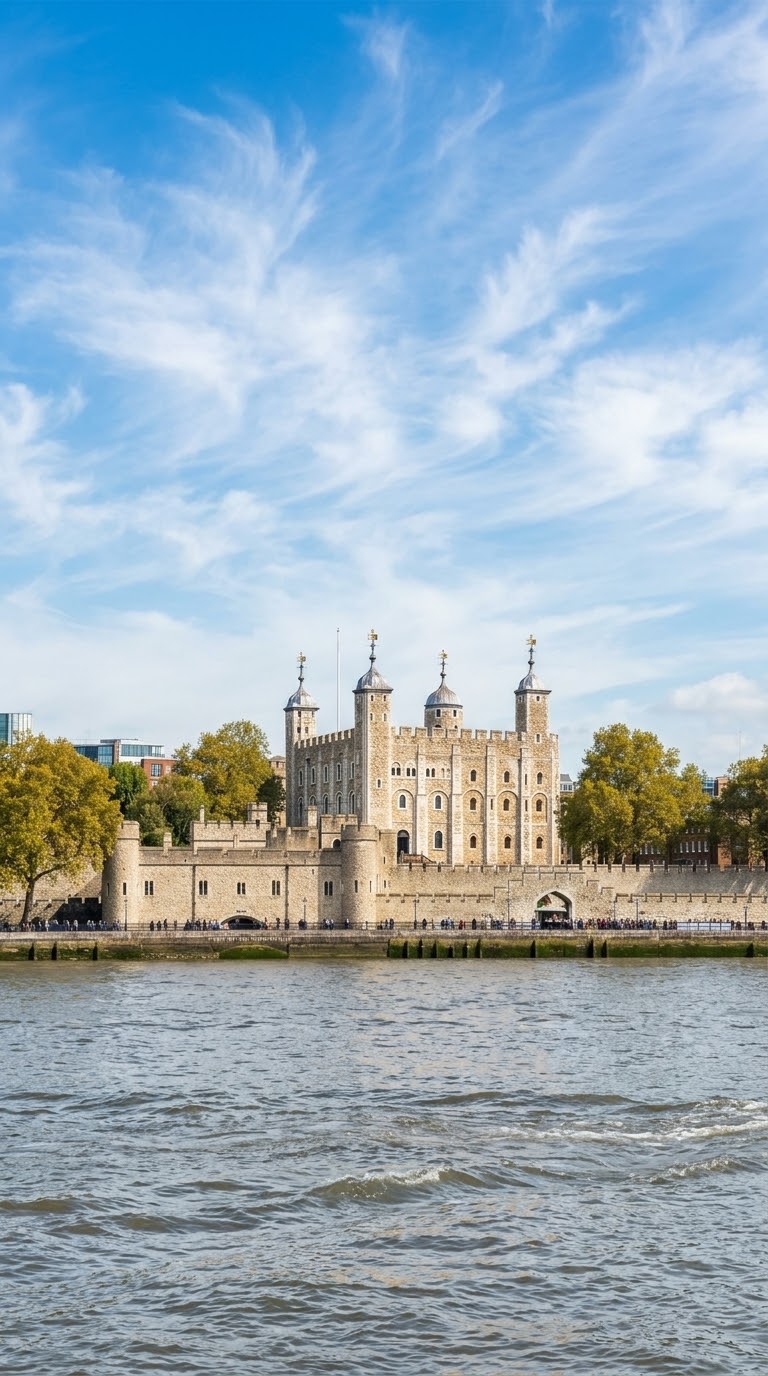
So much of England's story happened literally inside these walls. The ghosts are still part of the tour, and standing where it all happened, nine hundred years feel close enough to touch.

Every corner of the Tower was part of history: the cell walls where prisoners carved their names and final messages, still legible inches away. The White Tower window where the first prisoner escaped in 1101, climbing down a rope smuggled in inside a wine cask. The Queen's Stairs where Anne Boleyn stepped off the royal barge two days before her coronation, Henry VIII waiting at the top of the steps. The staircase under which workmen found two small skeletons in 1674, matching the vanished princes. And save time for the Bloody Tower's exhibition on the executions and torture. Dark, and absolutely gripping.