★★★ Wildlife
Tracking Mountain Gorillas in the Mist
Worth a trip
They live where the roads end. Four primate pilgrimages, from the gentlest trek to the most demanding, each earned and unforgettable.
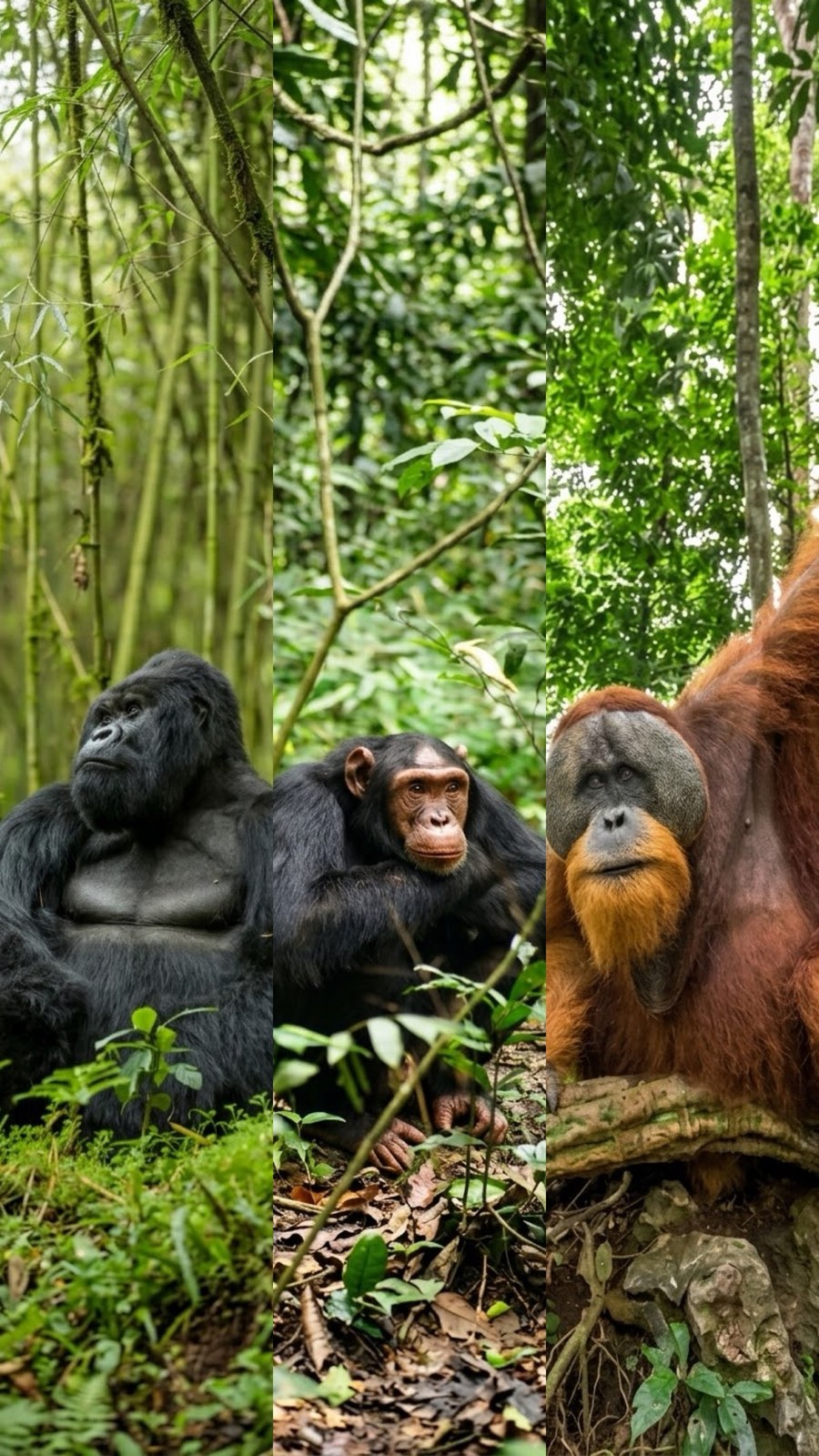
They live where the roads end. In the mist of the Virunga volcanoes, in the deep green of Borneo, on an island that has drifted alone for 88 million years, our closest relatives go about their lives beyond the reach of easy travel. A trek. A river journey. A small plane and a dawn start. What is hard to reach is hard to forget. Here are four journeys, from the gentlest to the most demanding.
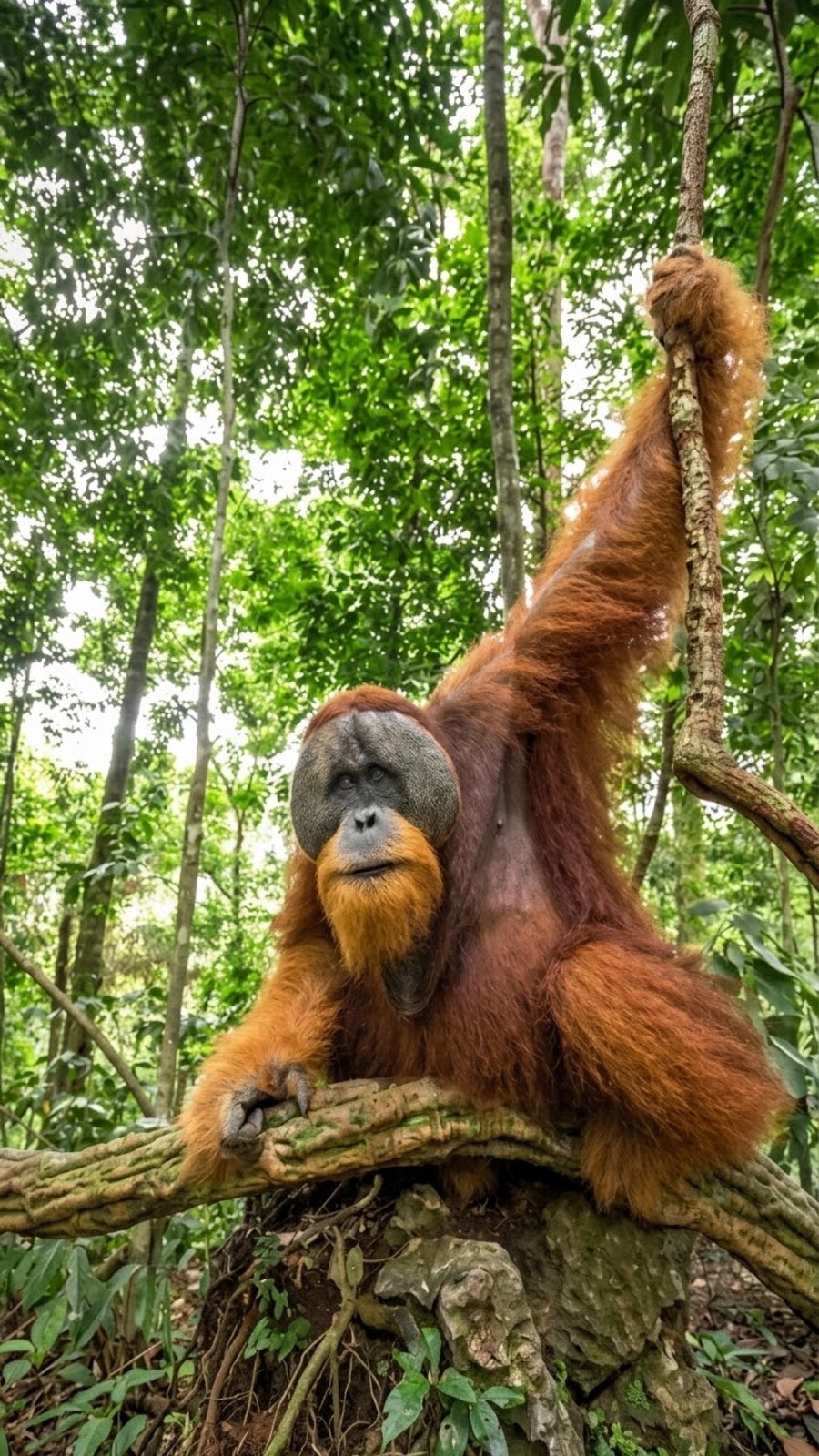
The gentlest of the four. At Sepilok in Sabah and Semenggoh in Sarawak, reached via Kota Kinabalu or Kuching, semi wild orangutans swing down from the canopy to wooden platforms for the scheduled morning feedings. Mothers arrive with babies clinging to their sides, and the viewing walkways put you meters away. The dry months from March to October are best. The honest caveat is that this is a rehabilitation center setting, not deep wilderness, which is exactly why it works as a first primate encounter and for travelers who cannot trek. For the wilder version, the Kinabatangan River nearby runs boat safaris past truly wild orangutans.
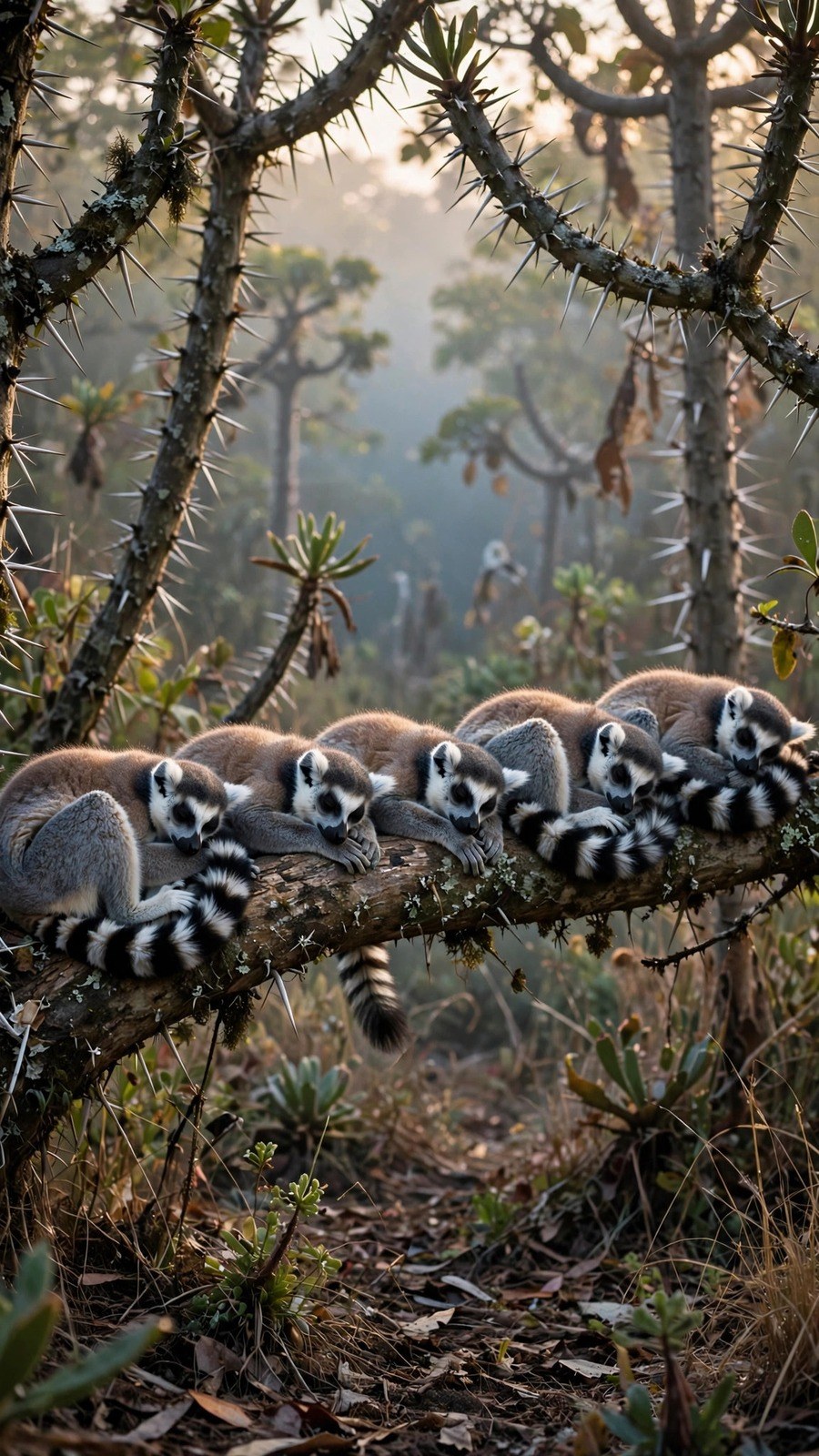
Berenty Reserve in the south, reached by a domestic flight from Antananarivo and a drive, or Andasibe Mantadia closer to the capital. At dawn, troops of ring tailed lemurs move through the spiny forest and sit sunbathing in the first light, striped tails curled overhead like question marks. They live nowhere else on Earth, which makes every minute feel borrowed from another planet. The dry season from April to October is the window. The price of admission is Madagascar's logistics: internal flights, long drives, and planning. The reward, beyond the lemurs, is the strangest forest on the planet, full of chameleons and baobabs.
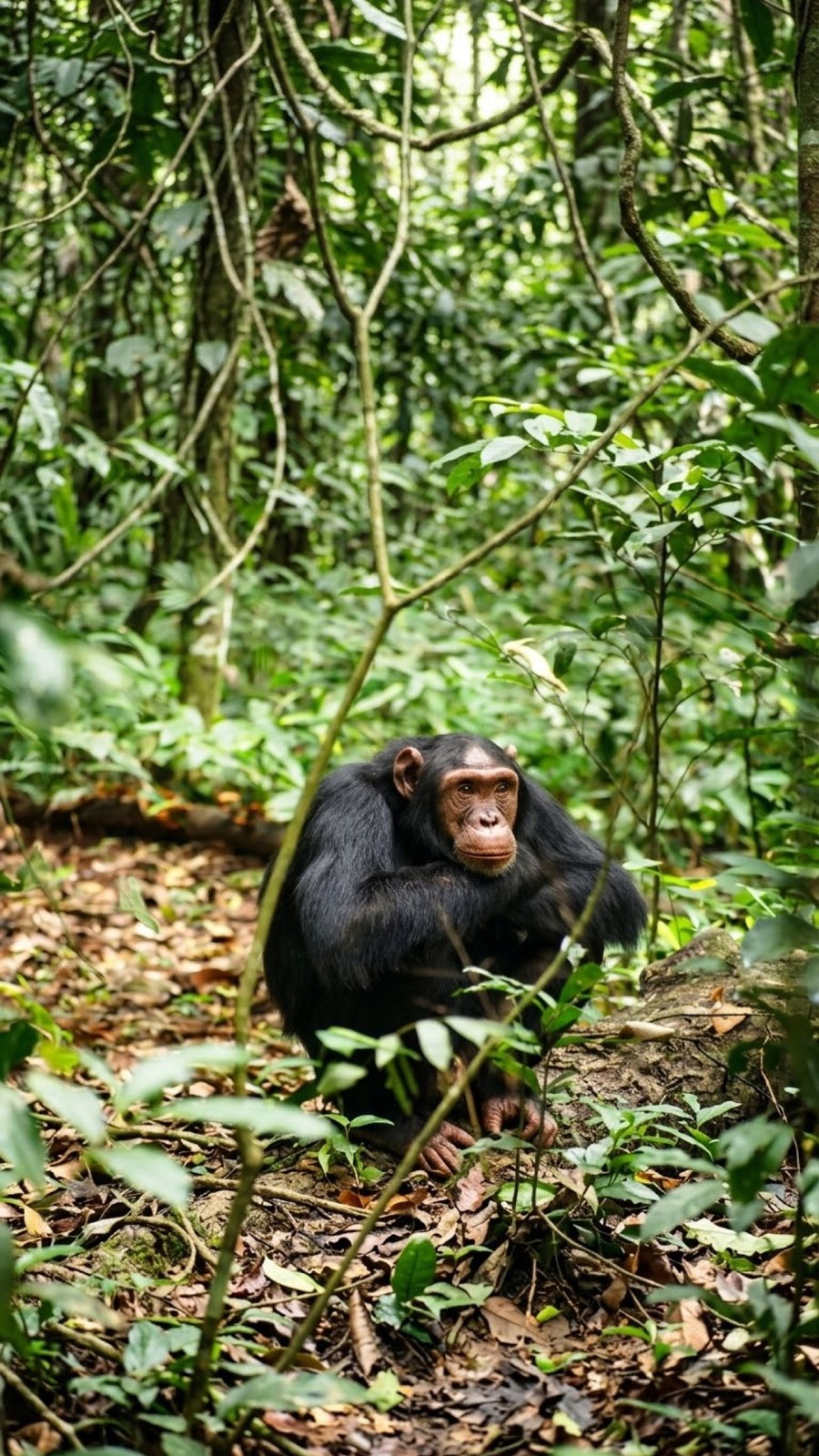
Our closest living relatives, and the loudest encounter of the four. In Kibale National Park, about five hours by road from Entebbe, guided treks follow habituated communities through dense rainforest until the forest erupts in pant hoots rolling through the canopy. Then comes the hour: grooming, squabbling, juveniles swinging overhead while you look up and try to keep pace. In Tanzania, Gombe Stream and Mahale Mountains on Lake Tanganyika offer the more remote version, the latter reachable only by boat or air. The dry months of June to September and December to February are best. Chimps move fast and the forest is thick, so this is a working trek rather than a viewing platform. Uganda also offers a full day habituation experience for those who want more than the standard hour.
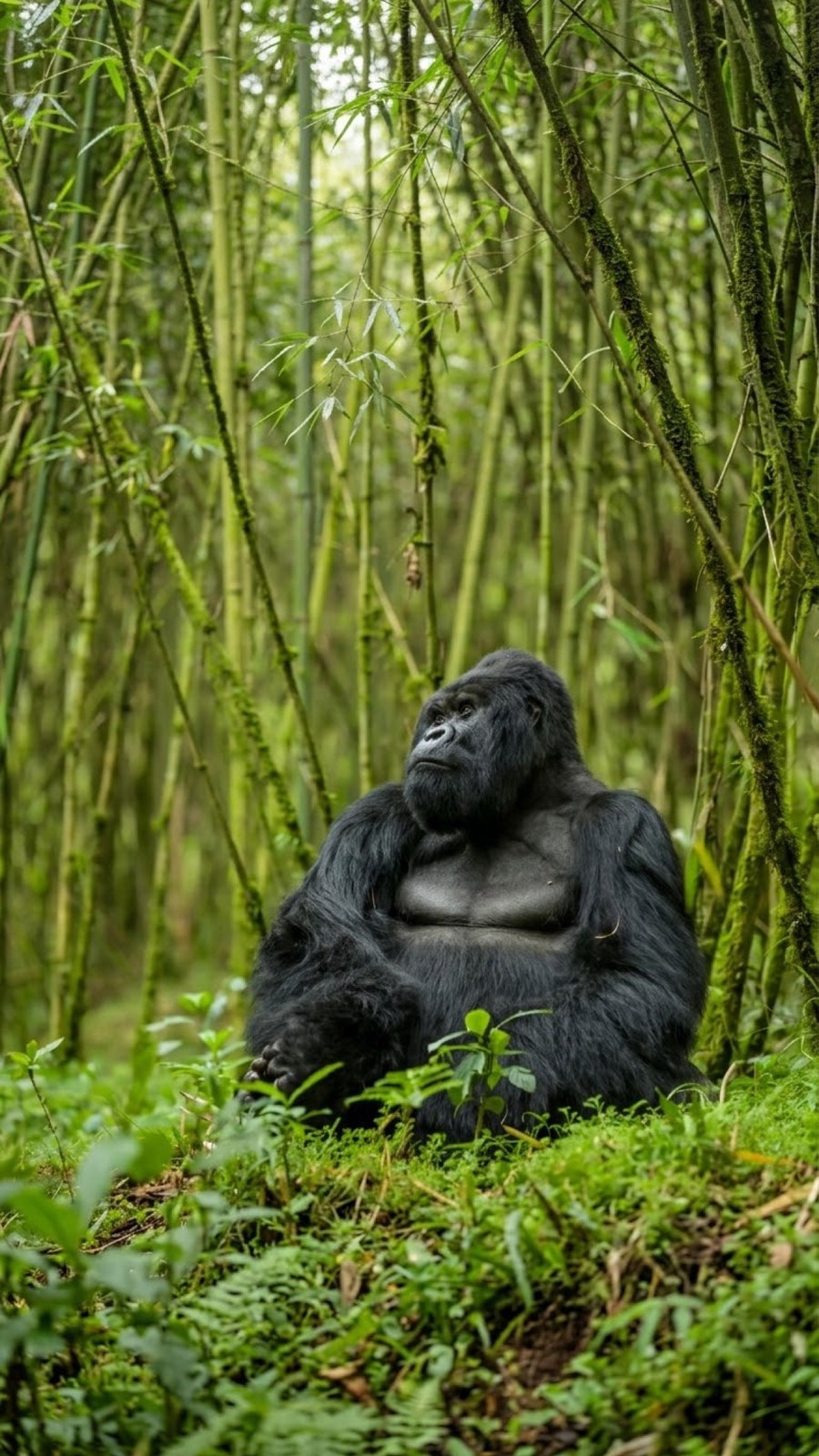
The finale, and the single most profound hour in wildlife travel. In Volcanoes National Park, about two and a half hours from Kigali, or in Uganda's Bwindi Impenetrable Forest, trackers radio locate a habituated family each morning. Then you hike through bamboo and giant lobelia until the forest goes quiet and the family is simply there: a silverback holding your gaze, infants tumbling over each other, the whole group utterly indifferent to your presence. The rules are strict for good reason. One hour, eight visitors, seven meters. Permits are limited and sell out months ahead, the trails can be steep and muddy, and the dry seasons of June to September and December to February make the walking easier. None of that matters once the hour begins.
Would you want to experience any of these someday?